

“A healthy lawn is more than just green grass; it creates a peaceful outdoor space where families relax, children play, and memories grow. Proper lawn care improves the beauty of your home while supporting a cleaner and healthier environment. With the right care techniques, even beginners can transform dry and unhealthy grass into a vibrant landscape. A beautiful lawn begins with patience, consistency, and the right lawn maintenance practices.”
Creating a healthy lawn may seem difficult for beginners, but with the right guidance and consistent care, anyone can grow a lush and beautiful outdoor space. A well-maintained lawn not only improves the appearance of a property but also creates a welcoming environment that feels peaceful and refreshing. Healthy grass can make a home look more vibrant while increasing outdoor comfort and curb appeal. Many homeowners struggle with dry patches, weeds, poor soil quality, and uneven grass growth because they are unfamiliar with proper lawn maintenance techniques. This is why understanding healthy lawn care services and professional lawn maintenance tips is essential for achieving long-lasting results. From watering and mowing to fertilization and weed control, every step plays an important role in keeping your lawn green and healthy. Modern landscaping practices now focus on sustainable and eco-friendly lawn care methods that improve soil health and protect the environment. By following the right lawn care routine, beginners can enjoy a thriving outdoor space that stays beautiful throughout the year.
Understanding the Basics of Lawn Care
Healthy lawn care starts with understanding what grass needs to grow properly. Just like plants and trees, grass requires sunlight, water, nutrients, and proper maintenance to remain healthy and green.
Many homeowners invest in residential lawn care solutions to improve grass growth and maintain outdoor beauty. Proper lawn maintenance helps strengthen roots, improve soil quality, and reduce common lawn problems such as weeds and patchy grass. Beginners should focus on building a simple and consistent lawn care routine instead of trying complicated treatments. Small improvements in watering, mowing, and fertilizing can create noticeable results over time.
Essential Elements for Healthy Grass
- Proper sunlight exposure
- Consistent watering
- Healthy soil conditions
- Regular lawn mowing
- Seasonal fertilization
The Importance of Proper Lawn Watering
Watering is one of the most important parts of maintaining a healthy lawn. Too little water can dry out the grass, while overwatering may damage roots and encourage fungal growth. Experts recommend deep watering sessions that allow moisture to reach the roots properly. Using smart lawn irrigation systems and eco-friendly lawn maintenance practices can help homeowners reduce water waste while keeping grass healthy and green. Morning watering is usually the best option because it allows the grass to absorb moisture before the heat of the day causes evaporation. Consistent watering schedules help lawns remain fresh and resilient during hot weather conditions.
Signs Your Lawn Needs Water
- Grass appears dull or dry
- Footprints remain visible on the grass
- Soil becomes hard and cracked
- Grass blades begin curling
- Brown patches start appearing
Choosing the Right Lawn Mowing Techniques
Mowing grass correctly is essential for maintaining lawn health and improving overall appearance. Cutting grass too short can weaken roots and make the lawn vulnerable to weeds and disease. Many homeowners follow professional lawn mowing services and green landscaping solutions to improve lawn quality and maintain a neat outdoor appearance. Proper mowing encourages stronger grass growth and creates a thicker lawn that naturally prevents weed growth. Sharp mower blades are also important because dull blades can tear grass instead of cutting it cleanly. Clean cuts help lawns recover faster and stay healthier throughout the growing season.
Lawn Mowing Best Practices
- Never cut more than one-third of the grass height
- Keep mower blades sharp
- Mow regularly during growing seasons
- Avoid mowing wet grass
- Change mowing patterns frequently
Fertilizing for Strong and Healthy Grass
Fertilization provides essential nutrients that help grass grow thicker, greener, and healthier. Without proper nutrients, lawns can become weak, pale, and vulnerable to pests and disease. Using organic lawn fertilization services and sustainable lawn care solutions helps improve soil quality while protecting the environment. Organic fertilizers release nutrients slowly, which supports long-term lawn health and steady grass growth.
Different seasons require different fertilization schedules, so beginners should learn when and how to apply lawn fertilizers correctly. Proper feeding helps lawns remain strong during seasonal weather changes.
Benefits of Lawn Fertilization
- Encourages greener grass
- Strengthens root systems
- Improves soil nutrients
- Reduces lawn diseases
- Supports long-term lawn health
Soil Aeration and Lawn Root Health
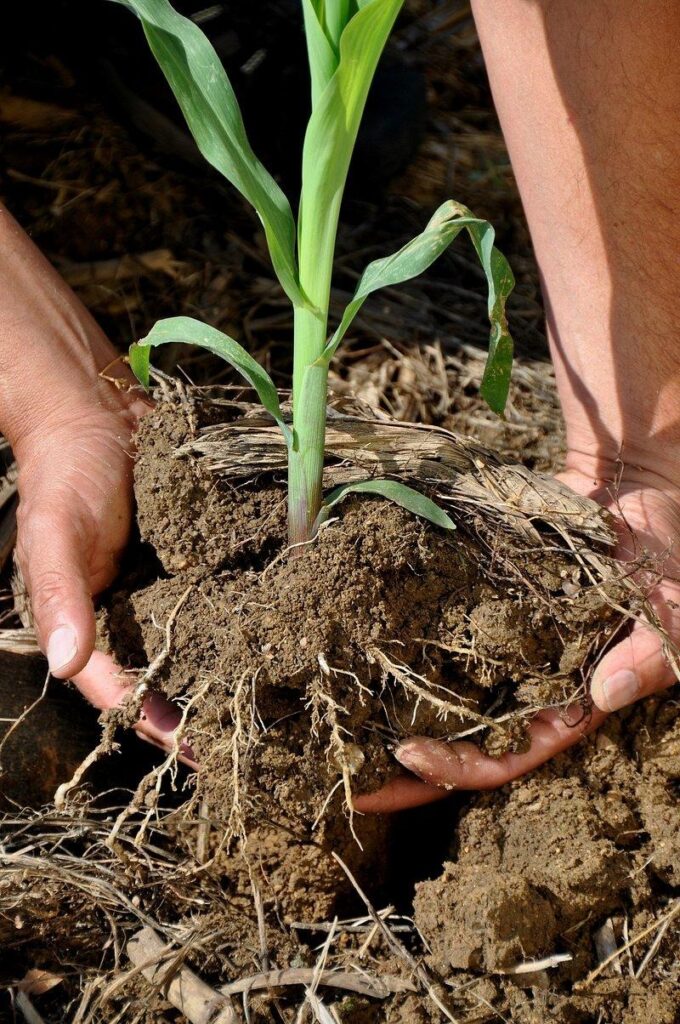
Healthy soil is the foundation of a beautiful lawn. Over time, soil can become compacted due to foot traffic, heavy rain, and regular outdoor activity. Compacted soil prevents air, water, and nutrients from reaching the grass roots properly, which can weaken lawn growth and create unhealthy patches.
Many homeowners now use professional lawn aeration services and soil improvement lawn care solutions to maintain strong root systems and improve grass health. Lawn aeration creates small openings in the soil that allow nutrients and moisture to penetrate deeply into the ground. This process encourages stronger root development and helps lawns grow thicker and greener. Aerating the lawn also improves drainage and reduces water runoff, making it easier for grass to survive during hot and dry seasons. When combined with proper fertilization and watering, aeration can significantly improve overall lawn appearance and long-term health.
Benefits of Lawn Aeration
- Improves soil airflow
- Strengthens grass roots
- Enhances nutrient absorption
- Reduces soil compaction
- Supports healthier grass growth
The Importance of Overseeding for Thick Grass
Overseeding is an important lawn care technique that helps improve lawn density and restore thin or damaged grass areas. Over time, lawns may become patchy due to weather conditions, heavy use, pests, or poor soil quality. Adding fresh grass seed helps lawns grow fuller and healthier.
Many homeowners choose overseeding lawn care services and professional turf restoration solutions to improve lawn thickness and maintain a vibrant outdoor landscape. Overseeding introduces new grass varieties that strengthen the lawn and improve resistance against weeds, drought, and disease. The best time for overseeding is usually during cooler seasons when grass can establish strong roots without extreme heat stress. Combining overseeding with proper watering and fertilization creates a healthier and more visually appealing lawn.
Advantages of Overseeding
- Fills thin grass areas
- Improves lawn color and density
- Reduces weed growth
- Strengthens lawn resistance
- Enhances overall lawn appearance
Weed and Pest Control for Beginners
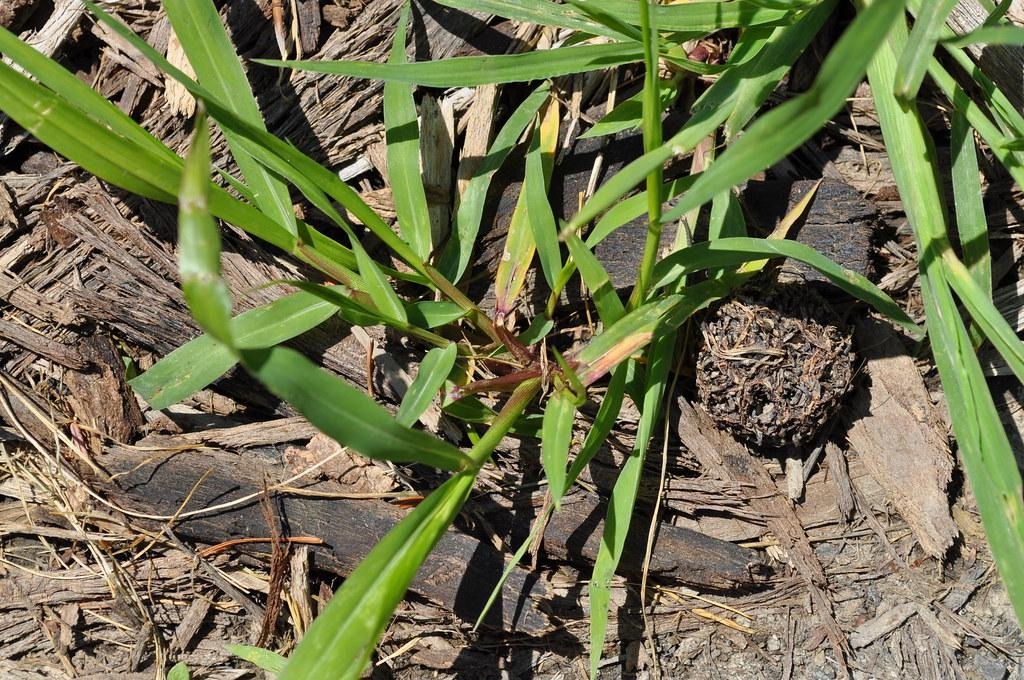
Weeds and pests can quickly damage a healthy lawn if they are not controlled properly. Weeds compete with grass for nutrients and water, while pests can weaken roots and destroy healthy grass growth. Many homeowners use natural weed control methods and environmentally friendly lawn treatment services to maintain healthy landscapes without harming the environment. Healthy and thick grass naturally reduces weed growth because it leaves less space for weeds to spread. Regular lawn inspections help homeowners identify problems early before they become serious. Proper watering, fertilization, and mowing also help prevent many common lawn pests and diseases.
Common Lawn Problems
- Weed growth
- Brown lawn patches
- Insect damage
- Fungal diseases
- Soil compaction
Seasonal Lawn Care Tips for Beginners
Every season affects lawn health differently, which is why lawns require special care throughout the year. Understanding seasonal lawn care helps beginners maintain healthy grass during changing weather conditions. During spring and summer, lawns need regular watering, mowing, and fertilization. In colder months, homeowners should focus on protecting grass roots and preparing lawns for future growth.
Following year-round lawn maintenance services and seasonal landscaping care techniques can help beginners keep their lawns healthy and visually appealing throughout every season.
Seasonal Lawn Care Essentials
- Spring fertilization and weed control
- Summer watering routines
- Fall aeration and overseeding
- Winter lawn protection
- Regular seasonal maintenance
Final Thought
A healthy lawn is not created overnight, but with patience and proper care, beginners can build a beautiful outdoor space that feels peaceful and welcoming. Every small effort, from watering and mowing to fertilizing and weed control, contributes to stronger and greener grass. By following consistent lawn care practices and using eco-friendly lawn maintenance solutions, homeowners can create outdoor spaces that improve both property beauty and environmental health. A thriving lawn reflects care, dedication, and the simple joy of nurturing nature right outside your home.
FAQs
A: Most lawns need deep watering one to two times per week, depending on weather conditions and soil type.
A: Grass should usually be kept around 2.5 to 4 inches tall to promote healthy root growth and reduce weed problems.
A: Fertilization provides essential nutrients that help grass grow greener, stronger, and healthier throughout the year.
A: Maintaining thick and healthy grass through proper mowing, watering, and fertilization helps prevent weed growth naturally.
A: Spring is usually the best season to begin lawn care because grass starts growing actively during warmer weather.