
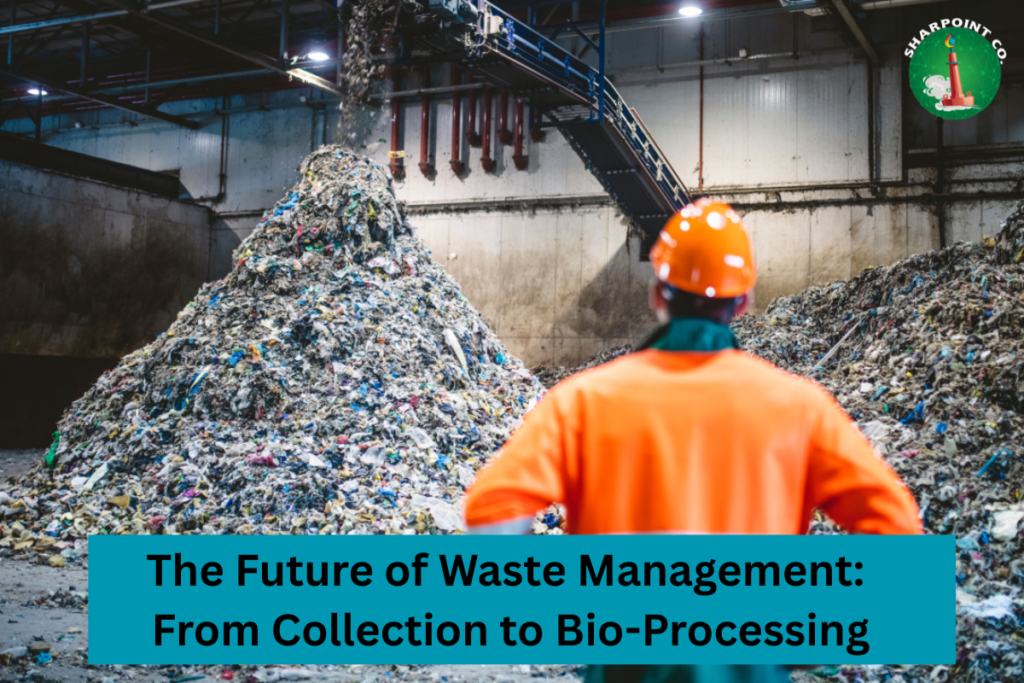
“The future of waste management is not only about removing waste from cities and industries, but also about protecting nature and creating a healthier future for future generations. Modern recycling methods and advanced bio-processing technologies are changing the way communities handle environmental challenges. As urban populations continue to grow, sustainable waste solutions are becoming more important than ever. A cleaner future begins with responsible waste management practices today.”
Waste management has become one of the most serious environmental concerns in the modern world. Every day, households, businesses, hospitals, and industries produce large amounts of waste that can damage the environment if not managed properly. Traditional disposal systems are no longer sufficient for rapidly growing populations, which is why industries are now focusing on sustainable and eco-friendly solutions. Modern waste handling methods are transforming the environmental sector through smarter collection systems, recycling innovations, and advanced bio-processing technologies. Many organizations are now investing in sustainable waste management services and eco-friendly waste disposal solutions to reduce pollution and improve environmental sustainability. These modern systems not only protect natural resources but also help create healthier communities and cleaner living conditions. The future of waste management is moving toward renewable energy production, intelligent recycling systems, and environmentally responsible waste processing methods that support long-term sustainability goals.
The Evolution of Waste Collection Systems
Traditional waste collection systems mainly focused on transporting waste to landfill sites without considering environmental consequences. However, growing environmental awareness has encouraged governments and businesses to adopt more efficient and sustainable methods for handling waste.
Today, many cities are implementing smart waste collection systems that use advanced technology to improve efficiency and reduce operational costs. These systems help optimize waste pickup schedules, lower fuel consumption, and minimize environmental pollution. Companies providing green waste recycling solutions are also helping communities maintain cleaner streets while supporting environmentally responsible waste management practices. Modern waste collection services are becoming more intelligent and environmentally friendly. By using automated systems and advanced monitoring technologies, businesses can improve waste handling operations while reducing their environmental impact.
Benefits of Smart Waste Collection
- Reduces environmental pollution
- Improves operational efficiency
- Supports cleaner communities
- Lowers carbon emissions
- Encourages sustainable living
The Growing Importance of Bio-Processing
Bio-processing is becoming one of the most innovative and sustainable solutions in modern waste management. Instead of sending biodegradable waste directly to landfills, modern facilities now convert organic materials into renewable and reusable resources.
Food waste, agricultural waste, and biodegradable products can be transformed into compost, biogas, and renewable energy through advanced bio-waste recycling services and organic waste processing technologies. These environmentally friendly systems help reduce methane emissions and support cleaner energy production. Many industries are now investing in sustainable recycling solutions to reduce landfill waste and improve environmental responsibility. Bio-processing also supports the circular economy by turning waste materials into valuable resources that can benefit agriculture, energy production, and environmental sustainability.
Environmental Benefits of Bio-Processing
- Reduces landfill dependency
- Supports renewable energy production
- Lowers greenhouse gas emissions
- Improves soil quality
- Promotes environmental sustainability
Technology’s Role in Modern Waste Management
Technology is playing a major role in transforming waste management systems worldwide. Artificial intelligence, automation, and data monitoring are helping businesses improve recycling efficiency and environmental safety. Modern recycling facilities now use AI-powered sorting systems, automated machinery, and advanced waste tracking software to improve operations. These technologies increase recycling accuracy while reducing human error and operational waste. Many companies are adopting advanced recycling technology and smart environmental solutions to achieve sustainability goals and improve waste processing efficiency. Modern waste management technologies also help businesses track waste production and develop more effective recycling strategies that support long-term environmental protection.
Modern Waste Management Technologies
- AI-powered recycling systems
- Automated waste sorting equipment
- Smart waste monitoring software
- Energy-efficient bio-processing systems
- Advanced recycling facilities
The Rise of Renewable Energy from Waste
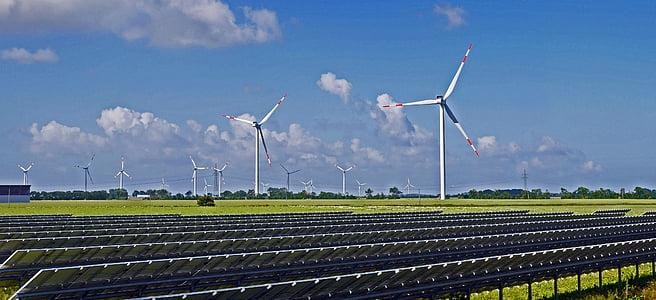
One of the most exciting developments in modern waste management is the ability to generate renewable energy from waste materials. Instead of allowing organic waste to decompose in landfills and release harmful gases, modern facilities now convert waste into usable energy through advanced bio-processing methods.
Many industries are investing in renewable waste energy solutions to reduce environmental pollution and support sustainable energy production. Waste-to-energy plants can produce electricity, heat, and fuel from biodegradable waste, helping communities reduce dependence on fossil fuels. These environmentally responsible systems are improving energy efficiency while supporting long-term environmental sustainability. The growing demand for cleaner energy sources is encouraging governments and businesses to adopt smarter recycling and waste conversion technologies. Through innovative waste processing systems, communities can turn environmental challenges into valuable opportunities for sustainable development.
Benefits of Waste-to-Energy Systems
- Produces renewable energy
- Reduces landfill waste
- Lowers greenhouse gas emissions
- Supports sustainable development
- Improves environmental protection
Public Awareness and Community Responsibility
Technology alone cannot solve waste management problems without public support and environmental awareness. Communities play a major role in creating a cleaner and healthier environment through responsible waste disposal habits and recycling practices.
Educational programs and environmental campaigns are helping people understand the importance of eco-conscious waste management and sustainable recycling methods. When individuals separate recyclable materials, reduce plastic waste, and support green environmental services, they contribute directly to environmental protection and cleaner communities. Businesses and local authorities are also encouraging residents to participate in recycling programs and sustainable waste initiatives. Public cooperation helps improve recycling efficiency and reduces pressure on landfill sites. A sustainable future becomes possible when communities, industries, and governments work together toward shared environmental goals.
Ways Communities Can Support Waste Management
- Recycle household materials properly
- Reduce unnecessary waste production
- Support eco-friendly disposal services
- Participate in community recycling programs
- Promote environmental awareness initiatives
Environmental Benefits of Sustainable Waste Solutions
Sustainable waste management provides long-term environmental benefits that improve public health and protect natural ecosystems. Proper waste handling reduces pollution, protects water sources, and decreases harmful greenhouse gas emissions. Communities using green environmental services and renewable waste energy solutions can significantly reduce their dependence on landfill sites. These environmentally conscious practices also help support cleaner air, healthier neighborhoods, and sustainable resource management. Responsible waste disposal encourages individuals and businesses to adopt eco-friendly habits such as recycling, composting, and waste reduction. Even small environmental efforts can create a major positive impact over time.
Key Environmental Advantages
- Cleaner air and water
- Reduced landfill waste
- Better public health
- Renewable energy generation
- Environmental protection
Challenges Facing the Future of Waste Management
Despite technological progress, the waste management industry still faces several major challenges. Rapid urbanization, population growth, and increasing waste production continue to place pressure on environmental systems worldwide. Limited recycling infrastructure, poor waste segregation, and high operational costs remain common obstacles for many regions. However, governments and private organizations are working together to improve environmental sustainability services and develop more efficient waste reduction strategies. Public awareness and environmental education will continue to play an important role in building a cleaner and more sustainable future for future generations.
Common Waste Management Challenges
- High recycling costs
- Limited waste processing facilities
- Poor public awareness
- Increasing landfill pressure
- Environmental policy limitations
Final Thought
The future of waste management is about much more than simply collecting waste. It is about protecting the environment, improving public health, and creating sustainable communities for future generations. Through modern recycling systems, advanced bio-processing technologies, and environmentally responsible waste handling practices, societies can reduce pollution and transform waste into valuable resources. Supporting eco-conscious waste management and sustainable recycling practices can help create a cleaner, greener, and healthier world. Every effort matters, and the choices made today will shape the environmental future of tomorrow.
FAQs
A: Bio-processing is a method that converts organic waste into useful products such as compost, biogas, and renewable energy through biological treatment systems.
A: Sustainable waste management helps reduce pollution, conserve natural resources, improve public health, and support environmental sustainability.
A: Smart waste collection systems use automation, sensors, and monitoring software to improve waste collection efficiency and reduce environmental impact.
A: Organic waste recycling reduces landfill waste, lowers greenhouse gas emissions, and supports renewable energy production.
A: People can support waste management by recycling properly, reducing waste production, composting organic materials, and using eco-friendly disposal services.