
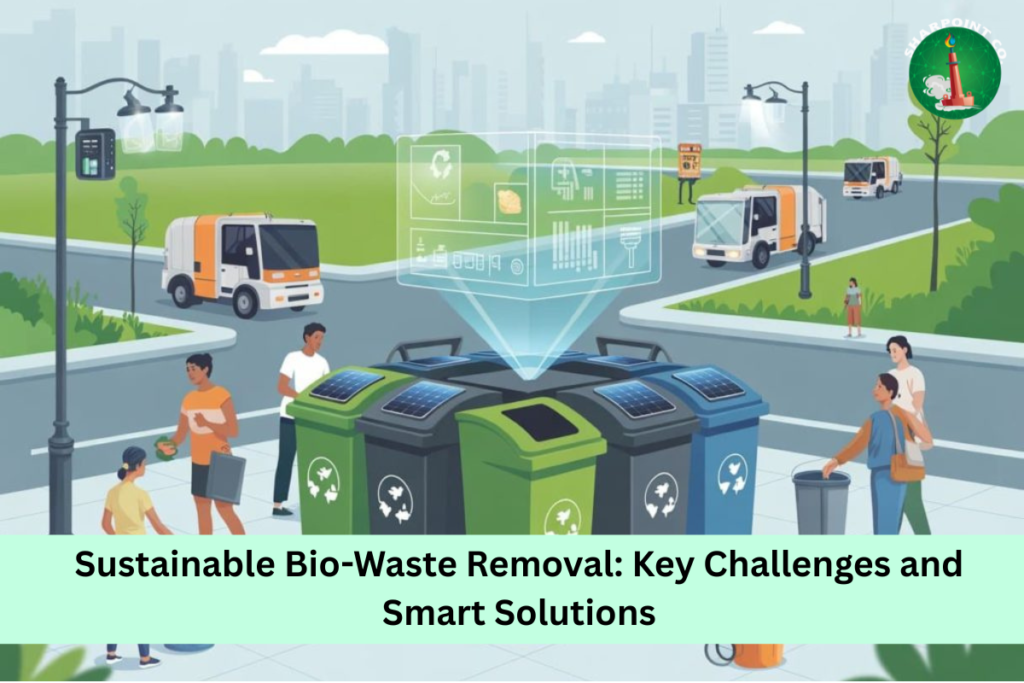
“Sustainable bio-waste removal is becoming essential as our waste problems continue to grow. It helps protect the environment by turning organic waste into useful resources. Although challenges exist, smart and eco-friendly solutions can make a real difference. In the end, it’s about taking small, responsible steps for a cleaner future.“
Sustainable Bio-Waste Removal: Key Challenges and Smart Solutions is an increasingly important topic in today’s world as environmental concerns continue to rise. With rapid urbanization, population growth, and increased industrial activity, the amount of bio-waste generated has significantly increased, putting pressure on existing waste management systems. Improper disposal of bio-waste not only harms the environment but also contributes to pollution, greenhouse gas emissions, and health hazards. This makes it essential to adopt sustainable, efficient waste-removal practices that minimize environmental impact while maximizing resource recovery. Smart solutions such as composting, source-based waste segregation, recycling organic materials, and modern waste-processing technologies are becoming key strategies for addressing this issue. In this blog, we will explore the major challenges in bio-waste management and discuss practical, eco-friendly solutions to help build a cleaner, more sustainable future.
What is Bio-Waste?
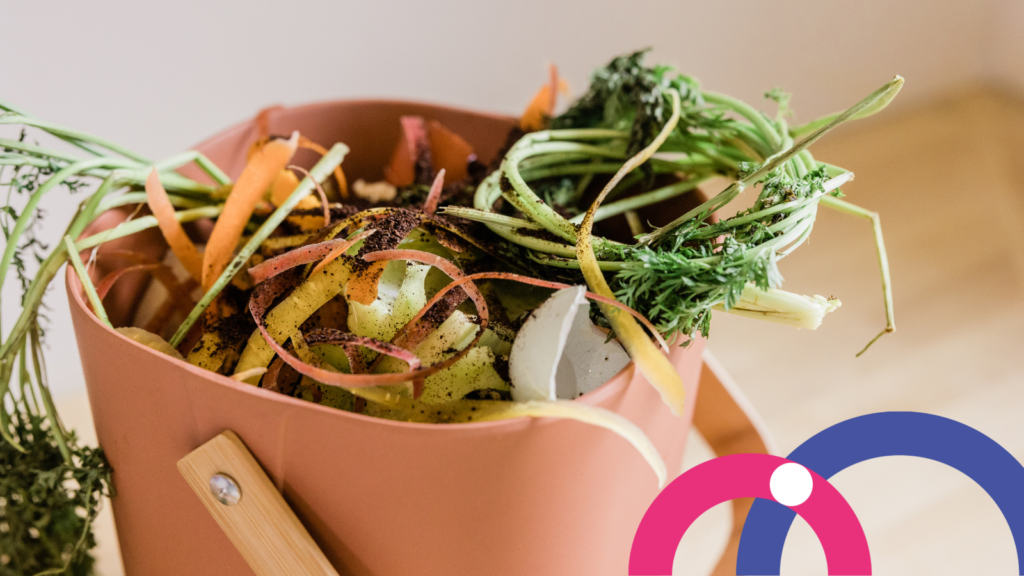
Bio-waste refers to natural, organic materials that come from living things and return to the earth over time. It includes everyday items like food scraps, fruit and vegetable peels, garden waste, leaves, and other biodegradable materials. At first glance, these materials feel harmless because they are part of nature’s cycle. They are meant to break down and nourish the soil again, quietly supporting new life.
But when this natural process is interrupted due to improper disposal, bio-waste loses its purpose. Instead of enriching the earth, it becomes a burden that adds to pollution and environmental stress. What should have been a gentle return to nature turns into a problem that affects ecosystems, reminding us how important it is to treat even the smallest waste with care and responsibility.
The Importance of Bio-Waste Management
The importance of bio-waste management goes far beyond simple cleanliness. It is deeply connected to the health of our environment and the well-being of people living in it. When organic waste is handled properly, it helps reduce pollution, lowers harmful greenhouse gas emissions, and prevents the spread of diseases that can affect entire communities. There is something meaningful about taking responsibility for what we throw away, because it directly shapes the air we breathe and the land we depend on.
For both households and industries, understanding this importance is a step toward real change. It opens the door to eco-friendly waste systems, smarter recycling of organic materials, and greener cleaning practices that support long-term sustainability. In the end, good bio-waste management is not just about waste itself, but about protecting life, preserving nature, and building a cleaner future for everyone.
Why Sustainable Bio-Waste Removal is Crucial Today
Sustainable bio-waste removal is crucial today because the amount of organic waste we generate is increasing rapidly with population growth, urbanization, and changing lifestyles. When this waste is not managed properly, it ends up in landfills where it decomposes without oxygen and produces harmful greenhouse gases like methane, which significantly contribute to climate change. Beyond environmental damage, poor bio-waste handling also affects public health by attracting pests, contaminating water sources, and creating unpleasant living conditions in communities. On the other hand, when bio-waste is managed through sustainable practices such as composting, recycling, and bio-energy production, it transforms from a problem into a valuable resource. It can enrich soil, support agriculture, and even generate renewable energy. This makes sustainable bio-waste removal not just an environmental necessity, but a practical solution for building healthier cities, protecting ecosystems, and ensuring a cleaner future for coming generations.
Key Challenges in Bio-Waste Removal
Lack of Awareness
Many people still do not understand the importance of separating organic waste from general trash. This small habit may seem harmless, but it creates a much bigger environmental problem over time. When food scraps and natural waste are mixed with plastic, they lose the chance to return to the earth in a useful way. A simple choice at home can either add to pollution or become a small act of care for the planet.
Poor Waste Segregation
When bio-waste mixes with plastics and other materials, it becomes much harder to recycle or process in a useful way. What could have become compost or clean energy often turns into contaminated waste that ends up in landfills. A small moment of carelessness can take away the chance to give natural waste a second life.
Limited Infrastructure
In many regions, there are simply not enough composting plants or proper systems to handle organic waste effectively. As a result, tons of valuable natural waste are discarded every day without purpose. What could have been turned into something useful often ends up polluting the environment instead.
Environmental Damage
Improper disposal of bio-waste increases greenhouse gas emissions and quietly damages the environment. As organic waste breaks down in landfills, it releases harmful gases that add to climate change. The harm may not be visible right away, but over time it leaves a deep mark on ecosystems, soil, and water.
Smart Solutions for Sustainable Bio-Waste Management
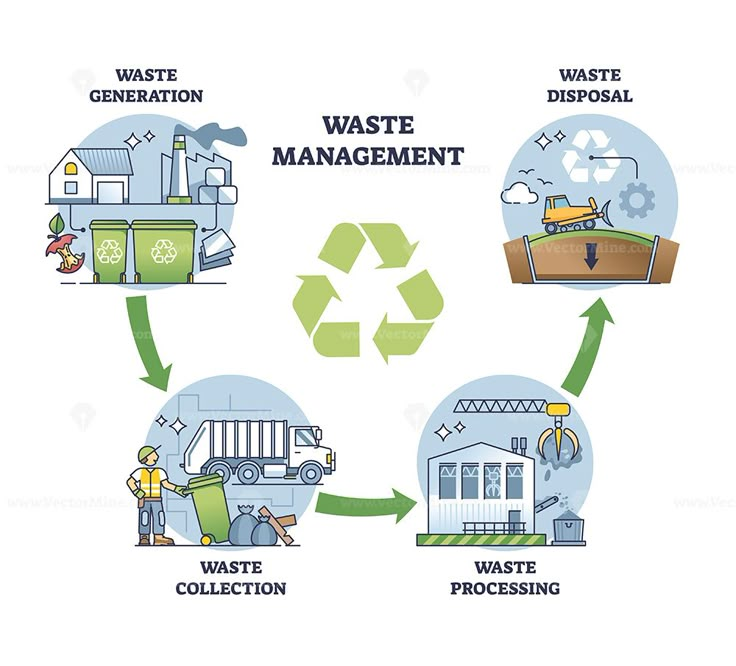
Home Composting
One of the simplest and most powerful solutions is home composting. Kitchen waste that often seems useless can be turned into natural fertilizer that gives life back to the soil. With one small habit at home, you can reduce landfill pressure and turn everyday leftovers into something meaningful.
Community-Based Systems
Neighborhood composting programs bring people together and create a shared sense of responsibility. When communities work as one, waste is handled more carefully and with greater purpose. Small efforts from each household can grow into a meaningful change for the whole neighborhood.
Advanced Bio-Processing Technology
Modern systems can turn what we throw away into something valuable. Bio-waste can be converted into biogas and eco-friendly fertilizers, giving waste a second purpose instead of letting it become pollution. It is a smart step toward a cleaner world and a more sustainable circular economy.
Awareness and Education
Real change begins with understanding. When people truly see how waste affects the air, soil, and water around them, their choices begin to change. A little awareness can inspire better habits, and those small habits can create a cleaner future for everyone.
Final Thought
We often think change has to be big to matter, but real change usually starts quietly. It begins with something as small as a fruit peel, a leftover meal, or a simple decision at the kitchen bin. These small choices may feel insignificant in the moment, yet they shape the condition of our environment over time. When we start paying attention to what we throw away, we start valuing the world we live in a little more deeply. And that awareness, built through small everyday actions, is what truly leads us toward a more sustainable and hopeful future.
FAQs
Q1. What is bio-waste?
A: Bio-waste is organic waste such as food scraps, garden waste, and biodegradable materials from natural sources.
Q2. Why is bio-waste harmful if not managed properly?
A: It produces greenhouse gases, pollutes land and water, and creates unhealthy living conditions.
Q3. How can we manage bio-waste at home?
A: Through composting, waste segregation, and reducing food waste.
Q4. What are the benefits of sustainable bio-waste removal?
A: It reduces pollution, supports agriculture, and helps combat climate change.
Q5. Can bio-waste be reused?
A: Yes, it can be converted into compost, fertilizer, or even renewable energy like biogas.