
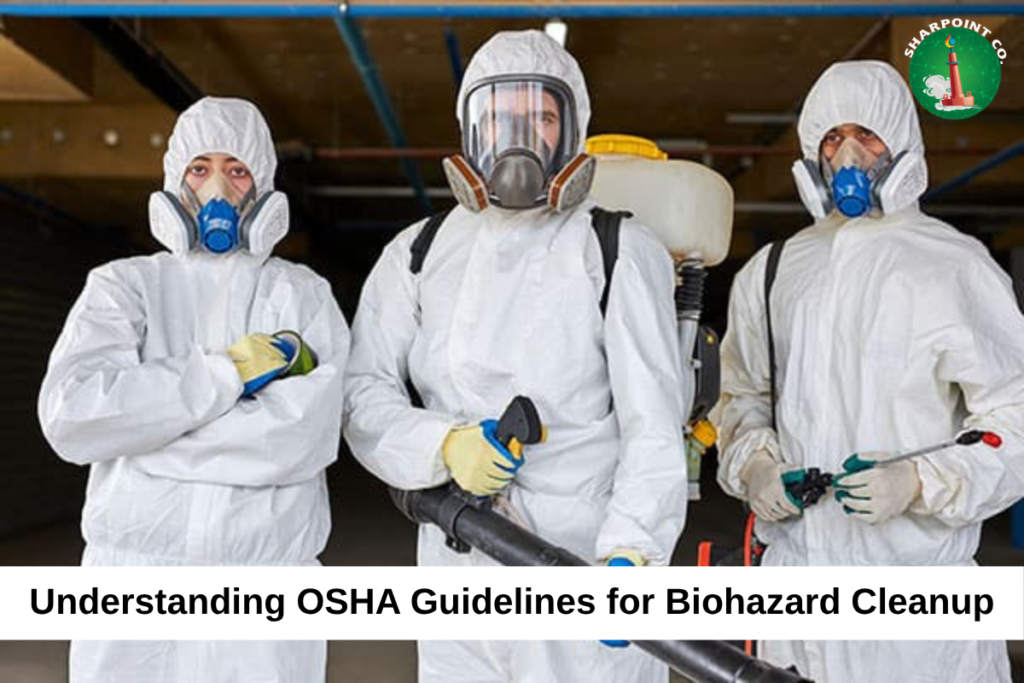
“Understanding OSHA guidelines for biohazard cleanup is essential for protecting workers and preventing the spread of harmful pathogens. These guidelines help ensure the proper use of personal protective equipment (PPE), safe handling of contaminated materials, and effective cleaning procedures. Following the right safety practices can reduce exposure risks, support compliance, and create a safer environment for everyone.”
Biohazard cleanup is about much more than removing visible blood, bodily fluids, or contaminated materials. It is about protecting people from hidden risks that can affect their health, safety, and peace of mind. The Occupational Safety and Health Administration (OSHA) establishes workplace safety requirements to help prevent exposure to bloodborne pathogens and other hazards.
Understanding these guidelines helps employers, cleanup professionals, and other workers recognize risks, use proper protective equipment, follow safe cleanup procedures, and respond appropriately to potential exposure incidents. This guide explains the key OSHA requirements relevant to biohazard cleanup and how practical safety measures can help create a safer environment for everyone involved.
Understanding OSHA Guidelines for Biohazard Cleanup
In This Article:
- What Is Biohazard Cleanup?
- OSHA’s Role in Biohazard Cleanup
- Understanding the Bloodborne Pathogens Standard
- Personal Protective Equipment for Biohazard Cleanup
- Safe Handling and Disposal of Contaminated Materials
- Biohazard Spill Response and Decontamination
- OSHA Training and Documentation Requirements
- Common Biohazard Cleanup Mistakes and How to Avoid Them
- Final Thought: Making Safety a Priority
- Frequently Asked Questions
What Is Biohazard Cleanup?
Biohazard cleanup involves removing, containing, and disinfecting materials that may expose people to infectious biological hazards. These materials can be found in healthcare facilities, laboratories, workplaces, homes, public buildings, and locations where accidents or unexpected incidents occur.
Blood, certain bodily fluids, contaminated sharps, and other potentially infectious materials can carry pathogens capable of causing illness. Even when an affected area appears clean, contamination may remain on surfaces, equipment, or objects that people touch.
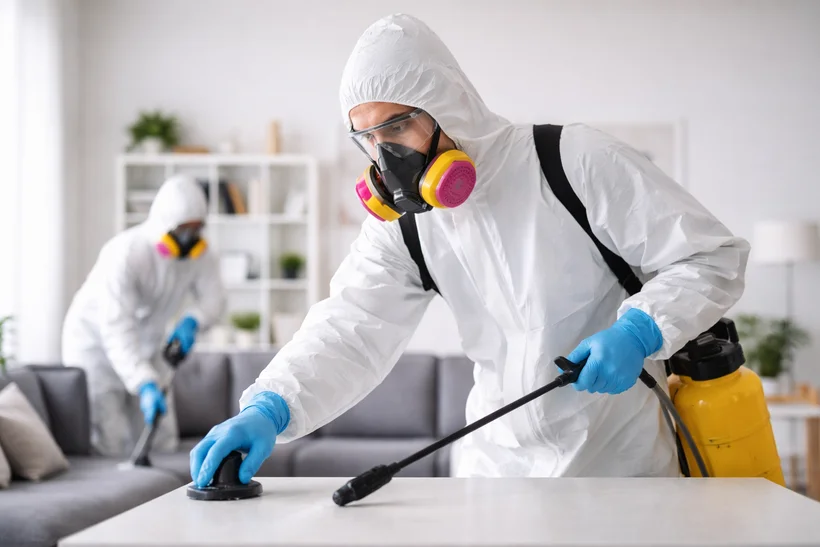
Professional biohazard cleanup requires a careful approach. Workers must assess the situation, identify potential hazards, select appropriate personal protective equipment, contain the affected area, and use suitable cleaning and disinfection procedures.
Common Examples of Biohazards
Biohazard cleanup may be necessary in situations involving:
- Blood spills: Blood resulting from workplace injuries, accidents, or medical incidents.
- Bodily fluids: Certain fluids that may contain infectious materials.
- Contaminated sharps: Needles, blades, and other objects capable of puncturing or cutting the skin.
- Biological laboratory materials: Specimens, cultures, or materials that may contain infectious agents.
- Contaminated surfaces: Floors, furniture, equipment, or other objects exposed to potentially infectious materials.
- Accident or trauma scenes: Areas where biological contamination may remain after an incident.
Not every biological material presents the same level of risk. The appropriate response depends on the type of material, the circumstances of exposure, and the applicable workplace safety requirements.
Why Proper Biohazard Cleanup Matters
Improper cleanup can expose workers, occupants, visitors, and waste handlers to avoidable health risks. A contaminated needle can cause a puncture injury, while splashes may expose the eyes, nose, or mouth to potentially infectious material. Inadequate cleaning can also leave contamination behind, creating uncertainty about whether an area is safe to use again.
The consequences can extend beyond physical health. People affected by an accident or traumatic incident may already feel anxious, distressed, or overwhelmed. A careful, respectful cleanup process helps protect their privacy and supports the safe return of the affected space to normal use. Following appropriate procedures also helps employers meet workplace safety obligations, reduce preventable incidents, and maintain a stronger safety culture.
OSHA’s Role in Biohazard Cleanup
The Occupational Safety and Health Administration establishes and enforces workplace safety requirements in the United States. Its regulations help employers identify occupational hazards and take steps to protect employees from preventable injuries and illnesses.
One of the most relevant requirements for biohazard cleanup is OSHA’s Bloodborne Pathogens Standard, found at 29 CFR 1910.1030. This standard applies to occupational exposure to human blood and other potentially infectious materials as defined by the regulation.
The standard is particularly important for workers whose job duties may expose them to bloodborne pathogens, including certain healthcare employees, custodial staff, laboratory personnel, and cleanup workers.
How OSHA’s Bloodborne Pathogens Standard Applies
The Bloodborne Pathogens Standard requires covered employers to implement appropriate protective measures when employees have occupational exposure to blood or other potentially infectious materials.
Depending on the workplace and the duties involved, these measures may include:
- Developing and maintaining a written exposure control plan.
- Identifying job duties and activities that may create occupational exposure.
- Using appropriate engineering controls and safe work practices.
- Providing suitable personal protective equipment at no cost to employees.
- Offering required training and hepatitis B vaccination to eligible employees.
- Establishing procedures for reporting and responding to exposure incidents.
- Maintaining applicable training, vaccination, and exposure-related records.
The standard does not mean every spill or every worker is automatically subject to identical requirements. Employers must assess the work being performed and determine which OSHA provisions apply.
Exposure Control Plans
An exposure control plan describes how an employer will reduce or eliminate occupational exposure to bloodborne pathogens. It should reflect the actual hazards and procedures present in the workplace rather than simply repeat general safety advice. A useful plan identifies potentially exposed job roles, describes protective measures, explains how contaminated materials are handled, and outlines what workers must do following an exposure incident.
Employers should review and update the plan when required, including when changes in tasks, procedures, or technology affect exposure risks. Where applicable, employees should have access to the plan and be able to understand their responsibilities. A clear plan gives workers a reliable reference during stressful situations. When an unexpected spill occurs, they should not have to guess which precautions to take or whom to contact.
Personal Protective Equipment for Biohazard Cleanup
Personal protective equipment (PPE) helps reduce the risk of contact with potentially infectious materials. However, PPE must be selected according to the anticipated exposure and used correctly. Wearing protective equipment does not eliminate every risk, especially when equipment is damaged, unsuitable, or removed improperly.
Common Types of PPE
Depending on the task and exposure assessment, appropriate PPE may include:
- Disposable gloves: Help protect the hands from direct contact with contaminated materials.
- Protective gowns or coveralls: Help prevent contamination of clothing and skin.
- Safety goggles or face shields: Protect the eyes and face from splashes.
- Masks or other respiratory protection: Used when the identified hazard and applicable requirements call for them. Ordinary face coverings should not be assumed to protect against every airborne hazard.
- Protective footwear or shoe covers: May be appropriate when the work presents a risk of contaminating footwear.
Not every cleanup requires every type of PPE. The employer must select equipment based on the potential hazards, expected contact, and relevant regulatory requirements.
Correct PPE Use and Removal
Protective equipment only works when workers understand how to use it. Employees should be trained to inspect PPE before use, recognize damage, replace compromised items, and follow appropriate procedures for putting equipment on and removing it.
Removing contaminated gloves or clothing incorrectly can transfer biological material to the skin, face, or clean surfaces. Workers should follow established procedures and avoid touching their eyes, nose, mouth, or personal belongings with contaminated hands or equipment.
Reusable equipment must be cleaned, disinfected, or otherwise managed according to its instructions and the applicable safety procedures. Disposable items should be discarded appropriately after use. Employers must also provide the PPE required by applicable standards and ensure employees understand when and how to use it.
Safe Handling and Disposal of Contaminated Materials
Safe biohazard cleanup does not end when visible contamination has been removed. Contaminated materials must be collected, contained, transported, and discarded in ways that prevent accidental contact, leaks, and injuries.
OSHA’s Bloodborne Pathogens Standard contains specific requirements for regulated waste, contaminated sharps, containers, and labeling. State and local medical waste rules may impose additional requirements, so disposal procedures should reflect the location and type of waste involved.
Identifying and Separating Contaminated Materials
Workers should determine which materials require regulated handling rather than automatically placing every item in a biohazard container.
Examples may include materials contaminated with blood or other potentially infectious materials, certain contaminated disposable items, and sharps that present a puncture or cutting hazard. Ordinary waste and regulated waste should be separated according to applicable requirements and the workplace’s established procedures. Correct segregation helps prevent unnecessary handling and ensures that materials receive appropriate treatment and disposal.
Using Appropriate Biohazard Containers
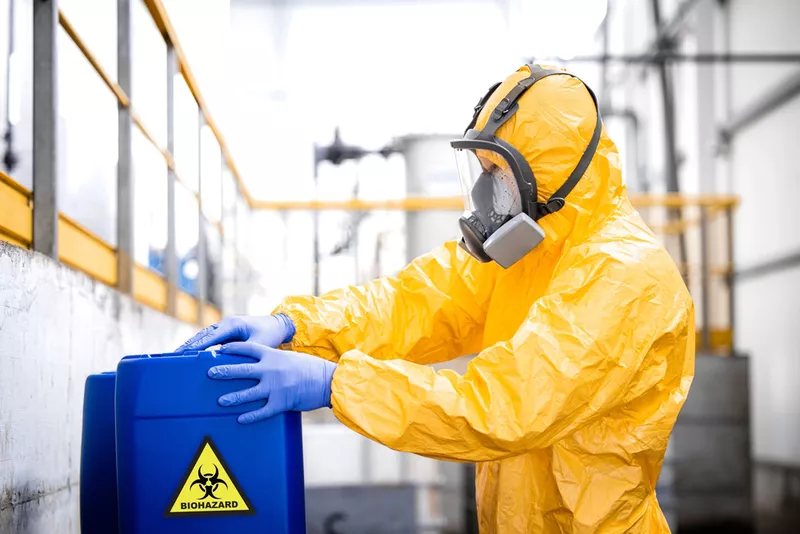
When OSHA’s regulated-waste requirements apply, containers must meet the relevant standards. Depending on the waste, this can include being closable, constructed to prevent leakage, appropriately labeled or color-coded, and resistant to punctures when sharps are involved.
Important practices include:
- Placing contaminated sharps in suitable sharps containers immediately after use.
- Avoiding overfilling containers and closing them according to their instructions.
- Securing contaminated materials before moving them.
- Using appropriate secondary containment when required to prevent leaks or spills.
- Applying the required biohazard labels or color coding.
- Following applicable rules for storage, transport, and final disposal.
Red bags are commonly associated with regulated medical waste, but their use and requirements depend on the applicable standard and circumstances. Not all contaminated materials belong in the same type of container.
Preventing Needlestick and Puncture Injuries
Needlestick injuries can expose workers to serious infections. A worker handling contaminated materials should never reach blindly into a waste container, compress a bag by hand, or attempt to retrieve a discarded sharp without an established safe procedure.
Sharps containers should be positioned where they are needed, remain accessible during work, and be replaced before they become overfilled. Workers should report damaged containers, unexpected sharps, and injuries promptly. A small mistake can have lasting consequences. Consistent handling procedures help prevent a moment of carelessness from becoming a serious health concern.
Biohazard Spill Response and Decontamination
A biohazard spill requires a controlled response. Rushing to remove visible material without assessing the hazard can increase the chance of exposure or spread contamination to other areas. The appropriate response depends on the size and type of spill, the material involved, the surrounding environment, and the training and equipment available.
Step 1: Assess the Situation and Restrict Access
Before beginning cleanup, determine what material was released, where it spread, and whether anyone may have been exposed. Keep unnecessary personnel away from the affected area and follow the workplace’s incident response procedures. If the spill involves an unknown substance, a large amount of material, significant aerosol generation, or conditions beyond the team’s training, stop and obtain qualified assistance.
Step 2: Select the Correct Protective Equipment
Identify the potential routes of exposure, including skin contact, splashes to the eyes or mouth, punctures, and any additional hazards associated with the incident. Choose PPE and equipment appropriate to the risk. Workers should not begin a task if the necessary protective equipment or training is unavailable.
Step 3: Contain and Remove the Contamination
Follow the established cleanup procedure for the material involved. Prevent the spread of contamination, use suitable tools to avoid direct contact, and collect contaminated materials into appropriate containers. Do not use bare hands to collect broken glass, needles, or other sharp objects. Do not use a cleaning method that may spread contamination beyond the affected area.
Step 4: Clean and Disinfect the Area
Cleaning removes visible soil and organic material, while disinfection uses an appropriate product to inactivate specified microorganisms under the conditions stated on the product label. The correct product, application method, surface compatibility, and required contact time all matter. Follow the product label and workplace procedure, and never mix cleaning chemicals unless the product instructions explicitly permit it.
A surface should not be considered safe simply because it looks clean. Workers must follow the applicable decontamination procedure for the hazard and surface involved.
Step 5: Dispose of Waste and Remove PPE Safely
Place contaminated waste in the appropriate containers and manage it according to applicable requirements. Remove PPE carefully to avoid transferring contamination to the skin or clothing. After the task, perform hand hygiene, clean or disinfect reusable equipment as required, and restore the area only when the established procedures indicate that it is ready for use.
Step 6: Report and Document the Incident
Report spills, injuries, and potential exposures according to workplace policy. Document relevant details, such as the type of incident, the area affected, the response taken, and any follow up actions required. Documentation supports incident review and can help identify improvements that reduce the likelihood of similar events.
OSHA Training and Documentation Requirements
Training is an essential part of biohazard safety. Employees need more than a list of rules; they need to understand the risks they may encounter and how to respond when something unexpected happens.
Under the Bloodborne Pathogens Standard, employers must provide training to employees with occupational exposure at the required times and at no cost to employees. Initial training is required at the time of initial assignment to tasks involving occupational exposure, with training at least annually thereafter. Additional training may be necessary when changes affect exposure or work procedures.
What Should Biohazard Safety Training Cover?
Training should address the hazards employees may encounter and the protective procedures relevant to their work. Depending on the role, topics may include:
- The ways bloodborne pathogens can be transmitted.
- The employer’s exposure control plan and how employees can access it.
- Recognition of tasks that may involve exposure.
- Correct use and limitations of PPE.
- Safe handling and disposal of contaminated sharps and regulated waste.
- Appropriate cleaning and decontamination procedures.
- Emergency procedures for spills, injuries, and potential exposure.
- Reporting requirements and access to post-exposure evaluation and follow-up.
Training should be delivered in a language and vocabulary employees can understand. Workers should have an opportunity to ask questions and receive answers from a qualified person.
Training Records and Exposure Documentation
Employers should maintain the records required by applicable OSHA provisions and other relevant laws. Under the Bloodborne Pathogens Standard, training records generally must be maintained for three years, while medical records are subject to different and longer retention requirements.
Records may include training dates, the content or summary of the training, the names and qualifications of trainers, and the names and job titles of attendees. Medical and exposure-related records must be handled confidentially and maintained in accordance with applicable requirements. Clear documentation helps employers verify that required training has occurred, identify gaps, and improve workplace safety practices.
Hepatitis B Vaccination and Post-Exposure Follow-Up
For employees with occupational exposure covered by the standard, employers must make the hepatitis B vaccination series available at no cost, subject to the standard’s requirements and exceptions.
If an exposure incident occurs, the employer must provide the applicable confidential medical evaluation and follow up. Workers should report needlesticks, splashes, or other potential exposures immediately so that the appropriate assessment and time sensitive follow up can be arranged. Prompt reporting matters. An employee should never feel that admitting an exposure is a sign of failure. Reporting allows the workplace to respond appropriately and helps protect the worker’s health.
Common Biohazard Cleanup Mistakes and How to Avoid Them
Even experienced workers can make mistakes when procedures are unclear, supplies are missing, or time pressure encourages shortcuts. Recognizing common problems can help prevent avoidable exposure and improve compliance.
Starting Cleanup Without Assessing the Hazard
Beginning work immediately may expose employees to risks they have not identified, including hidden sharps, unexpected substances, or contamination beyond the visible area.
How to avoid it: Assess the incident first, restrict access when needed, and follow the response plan. Obtain qualified help if the situation exceeds the team’s training or equipment.
Using Incorrect or Incomplete PPE
Using the wrong gloves, skipping eye protection when splashes are possible, or removing protective equipment carelessly can increase exposure risk.
How to avoid it: Select PPE according to the hazard assessment, inspect it before use, and follow established procedures for removal and disposal.
Mixing Regulated Waste With General Trash
Placing regulated waste in ordinary trash can expose other workers and waste handlers to hazards. Putting all ordinary waste into biohazard containers can also create unnecessary disposal costs.
How to avoid it: Train staff to distinguish regulated waste from general waste, label containers correctly, and follow the applicable waste-management rules.
Using the Wrong Cleaning or Disinfection Method
A product may be unsuitable for a particular microorganism or surface. Applying it incorrectly or failing to observe the required contact time can reduce its effectiveness.
How to avoid it: Follow the product label, safety data, and workplace procedures. Use the appropriate product for the identified hazard and allow the required contact time.
Neglecting Training and Incident Reports
When training is outdated, or incidents go unreported, employers may miss opportunities to correct unsafe practices and prevent future exposures.
How to avoid it: Provide required initial and recurring training, maintain appropriate records, encourage prompt reporting, and review incidents for practical improvements.
Assuming OSHA Is the Only Applicable Authority
OSHA primarily addresses workplace safety. Other authorities may regulate medical waste classification, transportation, treatment, environmental protection, or disposal.
How to avoid it: Check the relevant federal, state, and local requirements, including applicable public health and environmental rules. Do not assume that compliance with one workplace standard automatically satisfies every waste-management obligation.
Final Thought
Understanding OSHA guidelines for biohazard cleanup is not simply about meeting regulatory requirements. It is about recognizing the people behind every safety procedure: the worker who deserves to return home healthy, the person who needs a contaminated space restored safely, and the cleaning company that relies on clear instructions and the right protective equipment.
Every careful decision matters. Assessing a spill before approaching it, wearing appropriate PPE, containing contaminated materials, following disinfection procedures, and reporting possible exposure can reduce risks that might otherwise have lasting consequences.
Compliance is an ongoing responsibility, not a one time checklist. Employers should review their procedures, provide required training, maintain appropriate documentation, and make it easy for workers to raise safety concerns. When safety becomes part of everyday practice, people are better prepared to respond calmly and responsibly when an unexpected incident occurs. Protecting health begins with understanding the risks, following the right procedures, and treating every person’s safety as important.
Frequently Asked Questions
Q1. What OSHA standard applies to biohazard cleanup?
A: OSHA’s Bloodborne Pathogens Standard, 29 CFR 1910.1030, is a key regulation for workers who may be exposed to blood or other potentially infectious materials. It outlines important safety measures to help prevent exposure and protect workers’ health.
Q2. Does OSHA require training for biohazard cleanup?
A: Yes. Employees with occupational exposure covered by the standard must receive appropriate training when assigned to relevant duties and at least annually afterward. Training helps workers understand potential hazards, use protective equipment correctly, and follow safe cleanup procedures.
Q3. What PPE is required for biohazard cleanup?
A: The required personal protective equipment (PPE) depends on the material being handled and the risk of exposure. It may include gloves, protective clothing, goggles, or face shields. Using appropriate PPE helps reduce direct contact with potentially infectious materials.
Q4. What should workers do after exposure to a biohazard?
A: Workers should immediately report the incident and follow workplace exposure-response procedures. Prompt medical evaluation and appropriate follow-up are important steps in protecting their health and determining whether further care is needed.
Q5. Does OSHA regulate biohazard waste disposal?
A: OSHA regulates certain aspects of handling and containing regulated waste to protect workers from exposure. However, other federal, state, and local authorities may establish additional requirements for waste transportation, treatment, and disposal. Following the applicable rules helps protect workers and the wider community.