
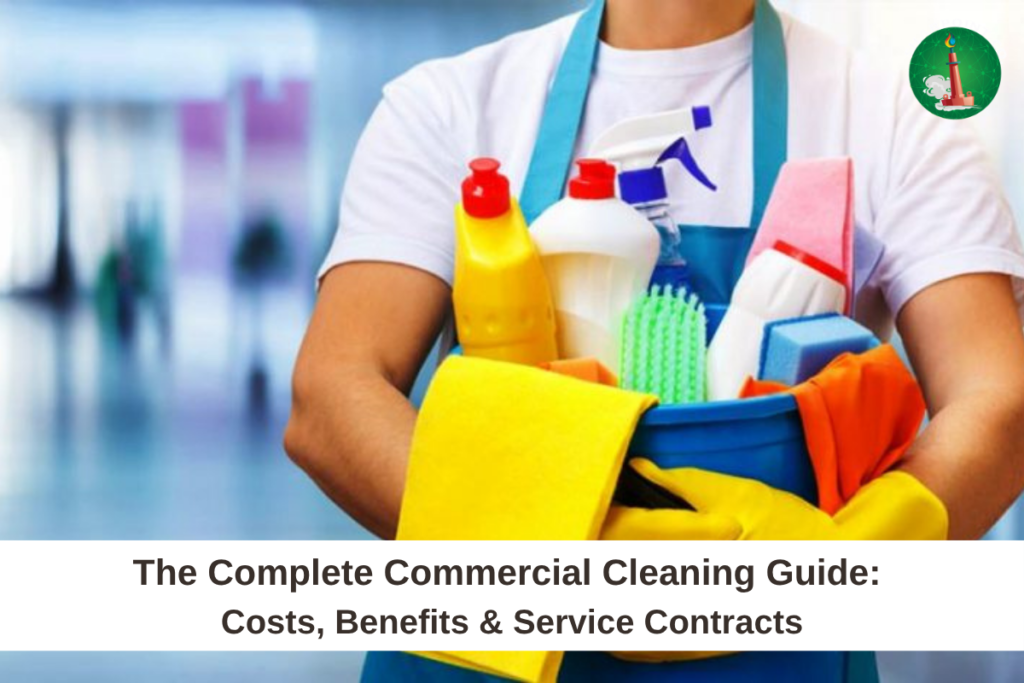
“The Complete Commercial Cleaning Guide explains the costs, benefits, services, and contract options businesses should understand before hiring a professional cleaning provider. It covers everything from routine janitorial services to specialized cleaning needs. The guide also helps businesses compare pricing, choose the right service plan, and avoid common mistakes.”
A clean commercial property can quietly influence almost every part of a business. Employees feel more comfortable, customers receive a better first impression, and daily operations can run more smoothly when the workplace is properly maintained. Yet commercial cleaning involves much more than vacuuming floors and emptying trash. It requires planning, consistency, appropriate cleaning methods, and a service schedule that matches the facility’s needs.
For business owners, office managers, and facility decision-makers, understanding how commercial cleaning works can make it easier to choose the right services and control ongoing expenses. From routine janitorial work to deep cleaning and specialized maintenance, each service can serve a different purpose. This complete guide explains commercial cleaning costs, key benefits, common services, contract options, pricing factors, and the questions businesses should consider before entering into a cleaning service agreement.
What Is Commercial Cleaning?
Commercial cleaning refers to professional cleaning and maintenance services performed in business and public facilities. Unlike residential cleaning, commercial cleaning is generally designed around larger spaces, higher foot traffic, workplace safety, and consistent service requirements. Businesses may arrange cleaning for offices, retail stores, warehouses, schools, healthcare facilities, restaurants, gyms, and other commercial properties. The exact scope depends on the size and function of the facility.
A commercial cleaning plan may include:
- Dusting and surface cleaning
- Vacuuming and mopping
- Restroom sanitation
- Trash and recycling removal
- Breakroom cleaning
- Disinfection of high-touch surfaces
- Carpet and upholstery care
- Floor maintenance
- Window cleaning
- Deep cleaning
- Specialized sanitation services
The goal is not simply to make a property look clean. A well-designed cleaning program helps maintain a healthier, safer, and more presentable environment while protecting interior surfaces and valuable building assets.
Commercial Cleaning vs. Residential Cleaning
The two services may involve similar basic tasks, but the working environment is very different.
Commercial facilities often have:
- Larger areas to maintain
- More employees, visitors, and customers
- Higher levels of daily foot traffic
- Different cleaning requirements by industry
- Specialized equipment and products
- Cleaning schedules outside normal business hours
- Greater documentation and quality-control requirements
For example, an office may need regular dusting, vacuuming, restroom cleaning, and waste removal, while a medical facility may require more frequent sanitation and stricter procedures.
What Services Are Included in Commercial Cleaning?
Every cleaning contract can be customized, but most commercial cleaning programs combine routine services with periodic maintenance.
1. Janitorial Cleaning
Janitorial cleaning is often the foundation of a commercial maintenance program. It focuses on keeping the workplace clean and functional throughout the week.
Typical tasks include:
- Emptying waste bins
- Cleaning restrooms
- Vacuuming carpets
- Sweeping and mopping floors
- Wiping desks and common surfaces
- Cleaning breakrooms
- Sanitizing frequently touched areas
Businesses with regular foot traffic may schedule these services several times per week or every business day.
2. Office Cleaning Services
Office cleaning focuses specifically on workspaces and shared areas. Depending on the facility, tasks may include cleaning workstations, conference rooms, reception areas, kitchens, hallways, and employee facilities. Regular office cleaning services can help prevent dust, clutter, stains, and surface buildup from becoming larger maintenance problems.
3. Deep Cleaning
Routine cleaning handles everyday needs, but some areas require more detailed attention.
A deep cleaning service may include:
- Baseboard cleaning
- Detailed restroom sanitation
- Carpet extraction
- Tile and grout cleaning
- Cleaning behind and underneath furniture
- High-dusting
- Detailed kitchen and breakroom cleaning
- Removal of accumulated dirt and buildup
Deep cleaning may be scheduled monthly, quarterly, twice a year, or annually depending on the property.
4. Floor Care
Floors receive constant wear in most commercial environments. Dirt, moisture, spills, and heavy traffic can gradually damage flooring if maintenance is neglected.
Professional floor care may involve:
- Sweeping and mopping
- Floor polishing
- Stripping and waxing
- Tile cleaning
- Grout maintenance
- Carpet cleaning
- Stain treatment
The appropriate method depends on the flooring material and its condition.
5. Restroom Sanitation
Restrooms are among the most important areas in any commercial property because they receive frequent use and can quickly develop unpleasant odors, stains, and sanitation concerns.
Routine restroom cleaning can include:
- Toilet and urinal cleaning
- Sink and countertop sanitation
- Mirror cleaning
- Floor mopping
- Disinfection of high-touch surfaces
- Waste removal
- Supply restocking
For high-traffic facilities, restrooms may require attention multiple times during the day.
6. Specialized Commercial Cleaning
Some businesses require services beyond standard janitorial work.
Examples include:
- Post-construction cleaning
- Industrial cleaning
- Medical facility cleaning
- Restaurant cleaning
- Carpet cleaning
- Window cleaning
- Pressure washing
- Upholstery cleaning
- High-level dust removal
These services may be included in a contract or priced separately.
What Are the Benefits of Commercial Cleaning?
Professional cleaning is often viewed as a routine operating expense, but its effects can extend across employee well-being, property maintenance, customer experience, and business efficiency.
Healthier Workplace Conditions
Workplaces contain many frequently touched surfaces, including door handles, light switches, keyboards, desks, counters, and shared equipment. Without regular cleaning, these surfaces can accumulate dirt and contaminants. Consistent workplace sanitation helps maintain cleaner shared environments and can support better hygiene practices among employees and visitors.
Better Employee Comfort and Productivity
Employees spend a significant portion of their day at work. A clean and organized environment can make the workplace more comfortable and reduce distractions caused by overflowing trash, dirty restrooms, dusty surfaces, or neglected common areas. Regular cleaning also allows employees to focus on their primary responsibilities rather than spending working hours dealing with facility maintenance.
Stronger First Impressions
Customers and visitors often notice the condition of a facility before interacting with employees. Clean floors, organized reception areas, fresh restrooms, and well-maintained common spaces can create a more professional impression. While cleanliness cannot replace good service or products, it contributes to how people perceive the overall quality of a business.
Protection of Property and Interior Surfaces
Dust, dirt, moisture, and spills can gradually wear down carpets, flooring, fixtures, and other interior materials. Routine maintenance helps control this buildup. Appropriate cleaning methods can also reduce unnecessary damage caused by using unsuitable products or techniques.
More Predictable Maintenance Costs
Reactive cleaning can become expensive when neglected areas require extensive restoration or replacement. A consistent cleaning schedule allows businesses to address routine maintenance before problems become more difficult to manage. This makes cleaning expenses easier to anticipate and incorporate into an operating budget.
How Much Does Commercial Cleaning Cost?
Commercial cleaning costs vary considerably because no two facilities have the same requirements. Pricing can depend on square footage, cleaning frequency, property type, labor requirements, floor surfaces, supply needs, and specialized services. Common pricing models include hourly rates, per-square-foot pricing, per-visit pricing, and monthly contracts.
Typical Commercial Cleaning Pricing Models
| Pricing Method | Common Use |
| Hourly pricing | Small offices, one-time jobs, or flexible cleaning |
| Per-square-foot pricing | Larger offices, schools, warehouses, and commercial buildings |
| Per-visit pricing | Businesses with scheduled recurring service |
| Monthly contracts | Ongoing cleaning and facility maintenance |
| Flat project pricing | Deep cleaning and specialized projects |
What Determines Commercial Cleaning Costs?
Several factors can influence the final price.
Facility Size
A larger building generally requires more labor, equipment, cleaning products, and time. Square footage is therefore one of the most important pricing considerations.
Cleaning Frequency
Daily cleaning typically costs more than weekly service because the cleaning crew spends more time maintaining the facility. However, frequent cleaning may reduce the need for intensive restoration later.
Type of Facility
An office, warehouse, restaurant, school, and healthcare facility can have completely different cleaning requirements. Specialized environments may require additional training, equipment, sanitation procedures, or documentation.
Condition of the Property
A facility that has been regularly maintained may require less intensive work than one with significant dirt, stains, buildup, or neglected areas.
Number of Restrooms and Common Areas
High-use restrooms, kitchens, cafeterias, breakrooms, and shared spaces can increase labor requirements.
Specialized Services
Carpet extraction, window cleaning, floor stripping, waxing, post-construction cleaning, and other specialized services are often priced separately.
Cleaning Supplies and Equipment
Some contracts include all cleaning products and equipment, while others require the customer to provide certain supplies. This difference can affect the final contract price.
One-Time Cleaning vs. Recurring Cleaning
Businesses generally choose between one-time services and recurring cleaning agreements.
One-Time Commercial Cleaning
One-time cleaning may be appropriate for:
- Moving into a new facility
- Preparing for an inspection
- Cleaning after construction
- Preparing for a special event
- Recovering from neglected maintenance
- Completing seasonal deep cleaning
This option provides flexibility but does not provide the same ongoing consistency as a recurring plan.
Recurring Commercial Cleaning
Recurring cleaning provides scheduled maintenance at predetermined intervals.
It may be performed:
- Daily
- Several times per week
- Weekly
- Biweekly
- Monthly
The ideal frequency depends on foot traffic, industry requirements, facility size, and cleanliness expectations. High-traffic environments may need daily attention, while smaller low-traffic offices may require fewer visits.
What Is a Commercial Cleaning Service Contract?
A commercial cleaning service contract is a written agreement between a business and a cleaning provider that defines the services, schedule, pricing, responsibilities, and terms of the relationship. A clear agreement can protect both parties by reducing misunderstandings about what is included.
What Should a Cleaning Contract Include?
A well-structured contract should clearly identify:
- Services included
- Cleaning frequency
- Areas covered
- Cleaning schedule
- Pricing and payment terms
- Supplies and equipment responsibilities
- Additional service charges
- Quality-control procedures
- Cancellation requirements
- Contract duration
- Renewal conditions
- Insurance requirements
- Communication procedures
The more specific the agreement, the easier it is for both sides to understand their responsibilities.
Why Is a Detailed Scope of Work Important?
A scope of work explains exactly what the cleaning team is expected to do.
For example, saying “clean the office” leaves considerable room for interpretation. A detailed scope might specify vacuuming all carpeted areas, mopping hard floors, cleaning restrooms, emptying waste bins, wiping common surfaces, and sanitizing high-touch areas. This level of detail helps prevent missed tasks, unexpected charges, and disagreements about service quality.
Fixed-Term vs. Flexible Cleaning Contracts
Not every business needs the same contract structure.
Fixed-Term Contracts
A fixed-term agreement may last for several months or a year. It can provide predictable pricing and consistent service. However, businesses should carefully review renewal, cancellation, and price-adjustment clauses before signing.
Flexible Agreements
Flexible agreements may operate month-to-month or allow easier changes to service frequency. They can be useful for businesses experiencing changes in occupancy, staffing, operating hours, or facility needs. The best option depends on the business’s priorities, budget, and expected cleaning requirements.
How to Choose the Right Commercial Cleaning Service
Selecting a cleaning provider should involve more than comparing the lowest quote.
Review the Scope of Services
Make sure the proposal clearly explains what is included and what costs extra. A lower price may not actually be less expensive if important services are excluded.
Check Insurance and Training
Businesses should verify appropriate insurance coverage and ask whether cleaning staff receive training for the types of facilities they will service. Specialized environments may require additional knowledge and procedures.
Ask About Quality Control
A reliable cleaning program should have a way to monitor results. Ask whether the provider conducts inspections, uses checklists, handles complaints, and responds when service standards are not met.
Compare Pricing Carefully
Obtain quotes based on the same scope of work whenever possible. Comparing one basic cleaning quote with another proposal that includes deep cleaning, supplies, and additional maintenance can create a misleading price comparison.
Understand Communication Procedures
Find out who handles questions, complaints, schedule changes, and urgent requests. Clear communication can make a significant difference in maintaining a successful long-term service relationship.
Questions to Ask Before Signing a Cleaning Contract
Before agreeing, businesses should consider asking:
- What exactly is included in the standard cleaning service?
- How often will the facility be cleaned?
- Are cleaning products and equipment included?
- Are specialty services billed separately?
- Who supervises the cleaning staff?
- How are quality issues handled?
- What happens if a scheduled cleaning is missed?
- Can the cleaning schedule be changed?
- Are there cancellation fees?
- Does the contract automatically renew?
- How are future price increases handled?
- Is emergency cleaning available?
Getting clear answers before signing can prevent unnecessary frustration later.
Common Commercial Cleaning Mistakes to Avoid
Choosing Based Only on Price
The cheapest proposal may not provide the coverage, consistency, or service quality a facility needs. Instead, compare total value, scope, reliability, and contract terms.
Using the Same Schedule for Every Area
Not every space needs to be cleaned at the same frequency. Restrooms, entrances, breakrooms, and high-touch surfaces may need more frequent attention than low-traffic storage areas. A customized schedule can make cleaning more efficient.
Ignoring High-Touch Areas
Door handles, elevator buttons, light switches, shared equipment, and other frequently touched surfaces can be overlooked when cleaning focuses only on visible dirt. These areas should be included in the routine cleaning plan.
Failing to Review the Contract
Businesses sometimes focus heavily on the initial price while overlooking cancellation terms, additional fees, renewal provisions, and service exclusions. Reading the complete agreement is essential before committing.
Final Thought
Commercial cleaning is more than an effort to make a workplace look presentable. It is an ongoing part of facility management that can influence employee comfort, customer impressions, property condition, and everyday operations. The right cleaning plan does not necessarily mean paying for the most extensive service available. It means identifying what the facility actually needs, establishing a realistic schedule, choosing appropriate cleaning methods, and creating a contract that clearly defines expectations.
Costs will vary from one property to another, but a thoughtful cleaning strategy can make those expenses more predictable and purposeful. Whether a business needs basic commercial janitorial services, periodic deep cleaning services, or specialized maintenance, clarity is one of the most valuable parts of the process. A clean facility creates a more comfortable environment today while helping businesses protect their spaces and maintain professional standards for the future.
FAQs
How often should a commercial building be cleaned?
Many businesses benefit from cleaning several times per week, while high-traffic facilities may require daily service. The appropriate schedule depends on occupancy, foot traffic, facility type, and sanitation requirements.
Is commercial cleaning charged by the hour or by square foot?
Both pricing methods are common. Hourly rates may work well for smaller or one-time projects, while per-square-foot pricing is often useful for larger facilities. Recurring services may also be quoted as a fixed monthly amount.
What is usually included in a commercial cleaning contract?
A standard contract may include floor cleaning, restroom sanitation, trash removal, dusting, surface cleaning, breakroom maintenance, and high-touch surface cleaning. The exact scope should always be written into the agreement.
Are deep cleaning services included in regular cleaning?
Not necessarily. Deep cleaning tasks such as carpet extraction, tile and grout detailing, high-dusting, or floor restoration may be offered as separate services unless specifically included in the contract.
Can a business change its cleaning schedule?
Many cleaning agreements allow schedule adjustments, but the terms vary. Businesses should confirm whether changing frequency affects pricing or requires advance notice.
How can a business reduce commercial cleaning costs?
Businesses can control costs by choosing an appropriate cleaning frequency, separating routine and specialized services, maintaining the property between visits, and requesting a clearly defined scope of work.
Are long-term cleaning contracts cheaper?
A long-term agreement may offer predictable pricing and consistent service, but it is not automatically cheaper. Businesses should compare the total contract cost, included services, renewal terms, and cancellation conditions before making a decision.
What is the difference between janitorial services and commercial cleaning?
Janitorial services often focus on recurring daily or routine maintenance such as trash removal, restroom cleaning, floor care, and surface cleaning. Commercial cleaning is a broader term that can include janitorial work as well as deep cleaning and specialized services.