
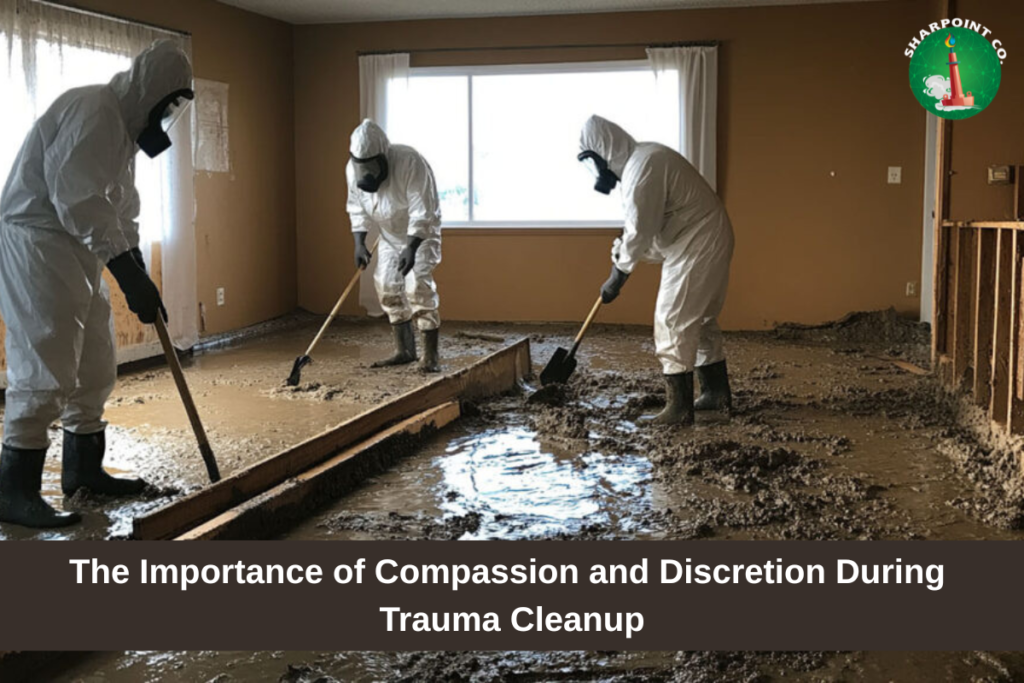
“The importance of compassion and discretion during trauma cleanup goes far beyond restoring a property. Families facing unimaginable loss deserve kindness, privacy, and respectful support while professionals safely handle hazardous conditions. A compassionate approach helps ease emotional burdens, protects dignity, and allows loved ones to begin the difficult journey toward healing with greater peace of mind.”
Key Takeaways
- Trauma cleanup is about protecting both physical health and emotional well-being.
- Compassion helps families feel respected during one of the most difficult moments of their lives.
- Discretion safeguards privacy and preserves dignity throughout the cleanup process.
- Certified trauma cleanup professionals follow strict biohazard safety regulations.
- Professional services reduce health risks while allowing loved ones to focus on healing.
Experiencing the aftermath of a traumatic event is overwhelming. Whether the situation involves an accident, violent crime, unattended death, or another distressing incident, families are often left coping with grief while facing difficult decisions. During these moments, professional trauma cleanup is about much more than restoring a property. It is about treating every person, every home, and every memory with care and respect.
Compassion and discretion play a vital role throughout the cleanup process. While specialized equipment and industry-approved procedures restore a safe environment, empathy helps people begin moving forward. A respectful approach reassures families that they are not facing this difficult situation alone, allowing them to focus on emotional recovery rather than the overwhelming responsibility of cleaning a hazardous scene.
Understanding Trauma Cleanup
Trauma cleanup involves the removal of biological contaminants, deep sanitization, deodorization, and restoration of areas affected by traumatic events. Because these scenes may contain bloodborne pathogens and other hazardous materials, cleanup requires specialized training, protective equipment, and strict compliance with health and safety regulations.
Common situations requiring trauma cleanup include:
- Crime scenes
- Suicides
- Unattended deaths
- Serious workplace accidents
- Vehicle accidents involving biohazards
- Hoarding environments with biological contamination
- Violent incidents involving bodily fluids
Professional technicians ensure the property is cleaned, disinfected, and restored to a safe condition while minimizing emotional stress for those involved.
Why Compassion Matters During Trauma Cleanup
Families experiencing loss often feel emotionally exhausted. The environment surrounding a traumatic event can intensify feelings of sadness, confusion, and anxiety. Compassionate professionals understand that every interaction matters.
Showing kindness can be as important as performing the cleanup itself. Speaking gently, answering questions patiently, and respecting personal boundaries can provide comfort during an incredibly painful experience. People remember how they were treated during life’s hardest moments. A compassionate approach helps reduce additional emotional strain while creating an atmosphere of trust and understanding.
The Value of Discretion
Privacy is one of the greatest concerns after a traumatic incident. Many families want to avoid unwanted attention from neighbors, media, or passersby while they process their loss. Discreet trauma cleanup focuses on protecting confidentiality throughout every stage of the service.
Professional teams often prioritize:
- Respectful arrival and departure
- Quiet communication
- Confidential handling of sensitive information
- Careful coordination with property owners
- Minimal disruption to surrounding areas
Protecting privacy allows families to grieve without unnecessary public exposure, preserving dignity throughout the recovery process.
Supporting Families Beyond Cleaning
Trauma cleanup professionals frequently become one of the first groups to assist families after emergency responders leave. Although their primary responsibility is restoring the property, their presence often provides reassurance during an uncertain time.
Compassionate professionals understand that every home has memories attached to it. Whenever possible, they carefully protect sentimental belongings and explain each step of the process in clear, simple language. Small gestures of kindness often leave lasting impressions. Taking extra time to answer concerns or helping families understand what comes next can ease feelings of uncertainty during an emotionally overwhelming experience.
Health and Safety Cannot Be Overlooked
Trauma scenes frequently contain biological hazards that cannot be safely removed using standard household cleaning products.
Professional cleanup involves:
- Site assessment
- Hazard identification
- Biohazard removal
- Deep sanitization
- Odor elimination
- Safe disposal of contaminated materials
- Final inspection
Every step follows established health and environmental regulations designed to protect occupants, workers, and the surrounding community. Without proper cleaning procedures, dangerous pathogens may remain hidden beneath flooring, inside porous materials, or within structural components.
Why Professional Trauma Cleanup Is Essential
Attempting to clean a trauma scene without specialized training exposes individuals to serious physical and emotional risks.
Professional services help prevent:
- Exposure to bloodborne pathogens
- Cross-contamination
- Lingering odors
- Structural contamination
- Improper disposal of hazardous waste
- Emotional distress caused by performing the cleanup personally
Allowing trained professionals to handle the cleanup enables loved ones to focus on healing instead of confronting painful reminders of the incident.
Restoring More Than a Property
Trauma cleanup is not simply about removing visible damage. It also helps restore a sense of normalcy.
A professionally restored environment allows families, property owners, and businesses to begin moving forward with confidence. Clean, sanitized spaces reduce ongoing stress while eliminating hidden health hazards that may remain after a traumatic event. Although emotional healing takes time, restoring the physical environment often becomes an important first step toward recovery.
Qualities to Look for in a Trauma Cleanup Provider
Choosing the right professionals can make a significant difference during an already difficult experience.
Look for providers that offer:
- 24/7 emergency response
- Certified biohazard cleanup technicians
- Strict safety compliance
- Respectful communication
- Complete confidentiality
- Thorough sanitization procedures
- Compassionate customer support
- Experience handling sensitive situations
The right team combines technical expertise with genuine empathy, ensuring every client receives both professional service and emotional respect.
How Compassion Builds Trust
Trust cannot be earned through equipment alone. It comes from understanding the emotional impact of trauma.
Families appreciate professionals who:
- Listen without judgment
- Respect personal belongings
- Communicate honestly
- Maintain privacy
- Work carefully and efficiently
- Show patience throughout the process
These qualities transform a difficult service into one that provides reassurance and peace of mind during an incredibly challenging time.
Final Thought
Trauma cleanup involves much more than restoring a property to a safe condition. It is about protecting health while honoring the dignity, privacy, and emotional well-being of those affected by tragedy. Compassion creates comfort when people feel overwhelmed, and discretion allows families to grieve without unnecessary attention. When combined with professional expertise and strict safety standards, these qualities help individuals take an important first step toward healing and rebuilding their lives.
Frequently Asked Questions
1. What is trauma cleanup?
Trauma cleanup is the professional cleaning, sanitization, and restoration of areas affected by traumatic incidents involving biological hazards such as blood or bodily fluids.
2. Why is compassion important during trauma cleanup?
Compassion helps reduce emotional stress, provides reassurance to grieving families, and ensures everyone involved is treated with dignity and respect.
3. Why is discretion necessary during trauma cleanup?
Discretion protects the privacy of families, preserves the dignity of those affected, and prevents unnecessary public attention during sensitive situations.
4. Is trauma cleanup dangerous without professional training?
Yes. Trauma scenes may contain infectious materials that require specialized protective equipment, professional cleaning methods, and proper disposal procedures.
5. How long does trauma cleanup usually take?
The timeline depends on the size of the affected area, the level of contamination, and any restoration work required. Some cleanups may take several hours, while more extensive situations can require multiple days.