
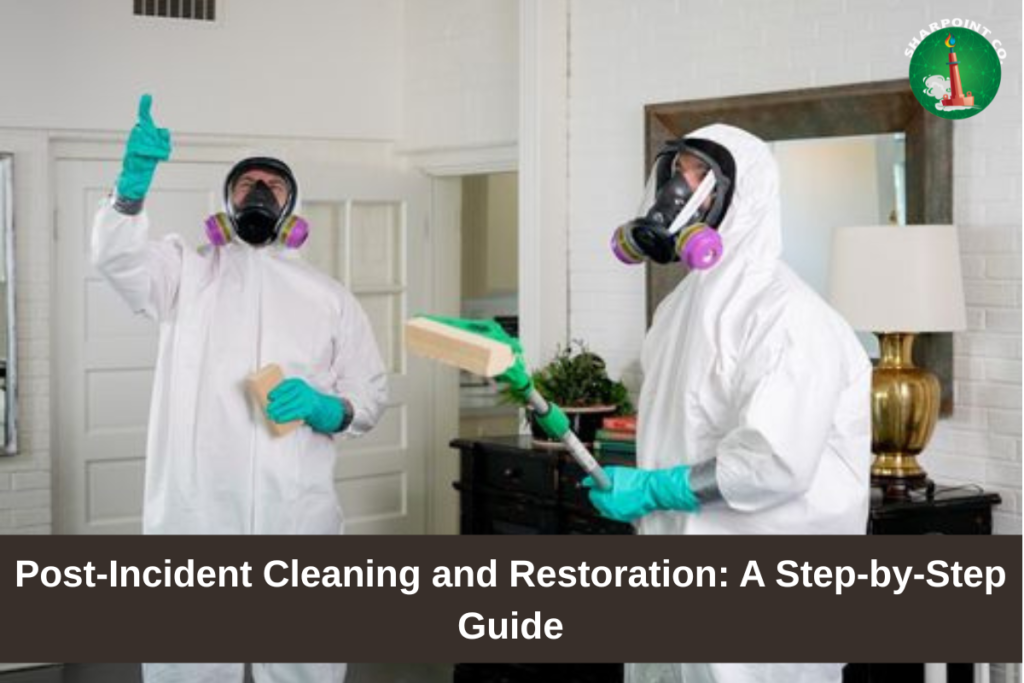
“Post-Incident Cleaning and Restoration: A Step-by-Step Guide helps property owners and businesses navigate the recovery process after unexpected events such as floods, fires, storms, or contamination incidents. A structured restoration approach not only protects health and safety but also minimizes further damage and speeds up recovery. By following the right steps and working with experienced professionals, affected spaces can be restored efficiently, allowing people to regain peace of mind and return to normal operations with confidence.”
When an unexpected incident occurs, whether it’s a flood, fire, chemical spill, biohazard exposure, or severe property damage, the aftermath can feel overwhelming. Beyond the visible mess, hidden contaminants, structural concerns, and health risks can create long-term problems if not addressed properly.
Post-incident cleaning and restoration is a structured process designed to return affected spaces to a safe, clean, and functional condition. The goal is not only to remove debris and contamination but also to restore peace of mind for property owners, employees, customers, and residents.
This step-by-step guide explains how professional cleaning and restoration teams handle incidents and why each stage plays a critical role in recovery.
What Is Post-Incident Cleaning and Restoration?
Post-incident cleaning and restoration refers to the professional cleanup, sanitization, repair, and recovery process that follows an unexpected event. These events may include:
- Water damage
- Fire damage
- Storm damage
- Biohazard incidents
- Sewage backups
- Chemical spills
- Mold outbreaks
- Workplace accidents
- Natural disasters
- Property contamination
The process focuses on protecting health, minimizing further damage, and restoring normal operations as quickly as possible. In the aftermath of an incident, the visible damage is often only part of the problem. Water can seep into walls and flooring, smoke residue can linger in hidden areas, and harmful contaminants may remain on surfaces long after the event has occurred. Without proper cleaning and restoration, these issues can continue to affect the safety, functionality, and value of a property.
For business owners, a workplace incident can disrupt daily operations, impact employee productivity, and create concerns about health and safety. For property owners and managers, delayed cleanup can lead to more extensive damage, higher repair costs, and longer recovery times. This is why a prompt and professional response is essential.
Post-incident cleaning goes beyond ordinary janitorial services. It involves specialized equipment, industry-approved cleaning methods, and trained professionals who understand how to address complex situations safely and effectively. From removing hazardous materials and disinfecting contaminated surfaces to restoring damaged structures, every step is carefully planned to ensure the environment is safe for reoccupation.
Another critical aspect of restoration is preventing secondary damage. For example, moisture left behind after a flood can create the perfect conditions for mold growth within just a few days. Similarly, untreated smoke residue can continue to damage surfaces and affect indoor air quality. By addressing these risks early, restoration professionals help protect both the property and the people who use it.
The ultimate goal of post-incident cleaning and restoration is to bring a sense of stability during a challenging time. Whether the incident is large or small, a thorough recovery process helps occupants regain confidence, supports business continuity, and creates a clean, healthy environment where people can safely return to their normal routines.
Why Immediate Response Matters
The first few hours after an incident are often the most critical. Water can seep into walls and flooring. Smoke residues can continue damaging surfaces. Biohazard materials may expose people to harmful pathogens. Delaying cleanup can increase restoration costs and extend downtime.
A rapid response helps:
- Reduce property damage
- Prevent secondary contamination
- Improve occupant safety
- Lower restoration expenses
- Speed up recovery efforts
This is why many organizations rely on emergency response cleaning services when unexpected incidents occur.
Step 1: Initial Assessment and Site Inspection
The restoration process begins with a thorough inspection of the affected area.
Professional teams evaluate:
- The type of incident
- Extent of damage
- Safety hazards
- Contamination levels
- Structural concerns
- Required equipment and resources
The assessment helps create a customized cleanup and restoration plan. During this phase, specialists also identify potential risks that may not be immediately visible, such as hidden moisture, airborne contaminants, or compromised building materials.
Step 2: Secure and Stabilize the Area
Before cleaning begins, the affected site must be secured.
This may involve:
- Restricting access
- Installing containment barriers
- Turning off utilities
- Removing immediate hazards
- Establishing safety protocols
Securing the environment helps prevent injuries and protects unaffected areas from further contamination. In commercial environments, stabilization also helps maintain compliance with workplace safety regulations.
Step 3: Remove Hazardous Materials and Debris
Once the area is safe, cleanup crews begin removing debris and hazardous materials.
Examples include:
- Damaged furniture
- Contaminated building materials
- Burned debris
- Biological waste
- Standing water
- Chemical residues
Proper disposal procedures are essential, especially when dealing with regulated materials. Professional teams use specialized equipment and protective gear to ensure safe removal while minimizing exposure risks.
Step 4: Water Extraction and Moisture Control
Water damage is one of the most common challenges after many incidents. Whether caused by firefighting efforts, flooding, storms, or plumbing failures, excess moisture must be addressed immediately.
The process typically includes:
- Water extraction
- Moisture mapping
- Industrial drying
- Dehumidification
- Monitoring humidity levels
Hidden moisture can lead to structural deterioration and mold growth if left untreated.
Step 5: Deep Cleaning and Surface Sanitization
After debris removal and drying, the focus shifts to cleaning and sanitization.
This stage involves:
- Cleaning walls and floors
- Removing stains and residues
- Sanitizing affected surfaces
- Eliminating contaminants
- Treating high-touch areas
Proper sanitization helps reduce the risk of illness and creates a healthier environment for occupants returning to the property.
Step 6: Biohazard and Pathogen Decontamination
Some incidents involve biological contaminants that require specialized treatment.
Examples include:
- Bloodborne pathogens
- Bodily fluids
- Sewage contamination
- Infectious disease exposure
- Trauma scenes
Biohazard cleanup follows strict protocols designed to protect both occupants and cleanup personnel. Specialized disinfectants and advanced cleaning methods help eliminate harmful microorganisms and reduce health risks.
Step 7: Odor Removal and Air Quality Restoration
Many incidents leave behind unpleasant odors that can linger long after visible damage has been cleaned.
Common odor sources include:
- Smoke residue
- Mold growth
- Sewage contamination
- Chemical spills
- Biological materials
Professional restoration teams use advanced techniques such as:
- Air scrubbers
- HEPA filtration
- Thermal fogging
- Ozone treatments
- Odor neutralization
Improving indoor air quality is a vital part of the restoration process.
Step 8: Structural Cleaning and Restoration
Once contamination is addressed, attention turns to restoring damaged structures.
This phase may include:
- Drywall repair
- Flooring replacement
- Ceiling restoration
- Painting
- Fixture replacement
- Structural repairs
The objective is to return the property to a safe and functional condition while preserving as much of the original structure as possible.
Step 9: Final Inspection and Quality Assurance
Before reopening or reoccupying the property, restoration professionals conduct a final evaluation.
The inspection verifies:
- All contamination has been removed
- Moisture levels are acceptable
- Repairs meet standards
- Safety concerns have been resolved
- Restoration objectives have been achieved
Quality assurance provides confidence that the property is ready for normal use.
Step 10: Preventive Measures and Future Preparedness
The restoration process doesn’t end when cleaning is complete. Many organizations take this opportunity to strengthen emergency preparedness plans.
Preventive measures may include:
- Employee training
- Emergency response protocols
- Regular inspections
- Equipment maintenance
- Disaster preparedness planning
Being prepared can significantly reduce damage and recovery time during future incidents.
Common Challenges During Post-Incident Restoration
Recovering from an unexpected incident is rarely a straightforward process. While the goal is to restore a property to a safe and functional condition, several obstacles can make the journey more complex. Understanding these challenges highlights why professional expertise is often essential during the restoration process.
Hidden Structural Damage
One of the most significant challenges after an incident is damage that cannot be seen immediately. Water may penetrate walls, ceilings, and flooring, weakening structural materials over time. Fire can compromise support systems, while severe storms may create hidden vulnerabilities throughout a building. Although a property may appear stable on the surface, underlying damage can pose long-term safety risks if not properly identified and addressed.
Delayed Response Times
Time is critical after any emergency. Unfortunately, delays in cleanup and restoration can allow damage to worsen. Moisture can spread, contaminants can multiply, and structural deterioration can accelerate. What may have started as a manageable situation can quickly become a larger and more expensive restoration project. Prompt action often makes a significant difference in reducing damage and shortening recovery time.
Extensive Contamination
Some incidents involve more than physical damage. Sewage backups, chemical spills, biohazard situations, and floodwaters can introduce dangerous contaminants into a property. These substances may affect surfaces, air quality, and personal belongings. Proper decontamination requires specialized knowledge, equipment, and cleaning procedures to ensure the environment is safe for occupants once again.
Insurance Documentation Requirements
For many property owners, navigating the insurance claims process can add another layer of stress during an already difficult time. Insurers often require detailed documentation, photographs, damage assessments, and records of restoration activities. Gathering and organizing this information while dealing with the aftermath of an incident can feel overwhelming. Professional restoration companies frequently assist with documentation, helping simplify the claims process and support a smoother recovery.
Mold Development
Mold is one of the most common secondary issues following water-related incidents. In many cases, mold can begin developing within 24 to 48 hours when moisture remains trapped in building materials. Once it spreads, it can damage property and negatively impact indoor air quality. Detecting and addressing moisture early is essential to preventing costly mold remediation efforts later.
Business Interruption Concerns
For commercial properties, every hour of downtime can affect productivity, customer relationships, and revenue. Business owners often face the difficult challenge of balancing restoration efforts with operational demands. The longer a facility remains closed or partially functional, the greater the financial impact. A well-organized restoration plan helps minimize disruptions and supports a faster return to normal business activities.
The Value of Professional Support
Facing these challenges can be emotionally and financially draining. Property owners are often dealing with uncertainty, disruption, and concern for the safety of those who depend on the space. Experienced restoration professionals bring structure, expertise, and reassurance during a stressful period. Their ability to identify hidden issues, manage contamination, coordinate repairs, and streamline recovery efforts helps make the restoration process more efficient and less overwhelming.
While every incident is unique, having the right team in place can make a meaningful difference. Professional guidance not only speeds up recovery but also provides confidence that the property is being restored safely, thoroughly, and with long-term protection in mind.
Benefits of Professional Post-Incident Cleaning and Restoration
When an unexpected incident disrupts a property, the recovery process can feel overwhelming. Whether dealing with water damage, a fire, a biohazard situation, or severe contamination, restoring the affected area requires more than basic cleaning. Professional restoration services provide the expertise, equipment, and support needed to navigate these challenging situations effectively.
Faster Recovery Times
Time is one of the most critical factors after an incident. The longer the damage remains untreated, the greater the risk of additional problems such as structural deterioration, mold growth, or contamination spread. Professional restoration teams respond quickly, assess the situation, and implement a structured recovery plan. Their experience and specialized equipment allow them to complete cleanup and restoration tasks efficiently, helping businesses and property owners return to normal operations sooner.
Improved Safety
Many post-incident environments contain hidden hazards that are not immediately visible. Contaminated surfaces, standing water, damaged structures, airborne particles, and hazardous materials can pose serious health and safety risks. Professional restoration specialists are trained to identify and address these dangers while following strict safety protocols. Their work helps create a safer environment for employees, customers, residents, and visitors.
Regulatory Compliance
Certain incidents require compliance with local, state, and federal regulations regarding cleanup, waste disposal, and workplace safety. Professional restoration providers understand these requirements and follow industry standards throughout the recovery process. This helps property owners avoid potential compliance issues while ensuring that cleanup procedures are performed responsibly and thoroughly.
Reduced Property Damage
A rapid and professional response can significantly limit the extent of property damage. Water extraction, structural drying, debris removal, and contamination control help prevent secondary issues that may develop over time. By addressing problems early, restoration professionals can often save materials, reduce repair costs, and preserve the integrity of the property.
Thorough Sanitization
After an incident, cleaning visible debris is only part of the solution. Harmful bacteria, viruses, mold spores, and other contaminants may remain hidden on surfaces or in the air. Professional restoration services use advanced cleaning methods, commercial-grade disinfectants, and specialized equipment to deliver a deeper level of sanitization. This helps protect occupant health and restore confidence in the safety of the environment.
Specialized Equipment and Expertise
Professional restoration teams have access to tools and technologies that are not typically available to property owners. Equipment such as industrial dehumidifiers, HEPA air filtration systems, moisture detection devices, and advanced disinfection technologies allows them to address complex restoration challenges more effectively. Combined with their training and experience, these resources contribute to better outcomes and a more comprehensive recovery process.
Restoring Confidence During Difficult Times
Beyond the physical cleanup, professional restoration services provide something equally valuable: peace of mind. Experiencing a property emergency can be stressful, emotional, and disruptive. Knowing that trained professionals are managing the recovery process allows property owners, business leaders, and occupants to focus on moving forward. A clean, safe, and fully restored environment helps rebuild confidence and brings a sense of normalcy after a difficult event.
Ultimately, professional post-incident cleaning and restoration is an investment in safety, recovery, and long-term property protection. By relying on experienced specialists, property owners can navigate challenging situations with greater confidence and achieve a faster, more effective return to normal operations.
Final Thoughts
Experiencing an unexpected incident can be emotionally draining and disruptive. Whether the damage results from water, fire, contamination, or another emergency, the path to recovery requires more than basic cleaning. A structured post-incident cleaning and restoration process helps protect health, preserve property, and restore normalcy.
Every step from assessment and containment to sanitization and final inspection plays a crucial role in creating a safe environment for occupants. By responding quickly and following proven restoration procedures, property owners can reduce long-term damage and move forward with greater confidence.
FAQs
Q1. What is post-incident cleaning and restoration?
A: Post-incident cleaning and restoration is the process of cleaning, disinfecting, repairing, and restoring a property after an emergency, accident, disaster, or contamination event.
Q2. How quickly should cleanup begin after an incident?
A: Cleanup should begin as soon as possible. Rapid response helps prevent additional damage, reduces health risks, and improves restoration outcomes.
Q3. What types of incidents require professional restoration services?
A: Professional restoration may be necessary after floods, fires, sewage backups, biohazard incidents, chemical spills, storm damage, and workplace accidents.
Q4. Why is professional sanitization important after an incident?
A: Professional sanitization removes harmful bacteria, viruses, and contaminants that may remain after visible debris has been cleared.
Q5. Can post-incident cleaning help prevent mold growth?
A: Yes. Prompt water extraction, moisture removal, and structural drying significantly reduce the likelihood of mold development.
Q6. What equipment is used during restoration projects?
A: Common equipment includes industrial dehumidifiers, air movers, HEPA filtration systems, moisture meters, extraction units, and specialized cleaning tools.
Q7. How long does the restoration process take?
A: The timeline depends on the severity of the damage, the size of the property, and the type of incident. Some projects take a few days, while others may require several weeks.
Q8. Is post-incident cleaning necessary even when damage appears minor?
A: Yes. Hidden contamination, moisture, or structural issues may exist even when visible damage seems limited. Professional assessment helps identify these risks early.