
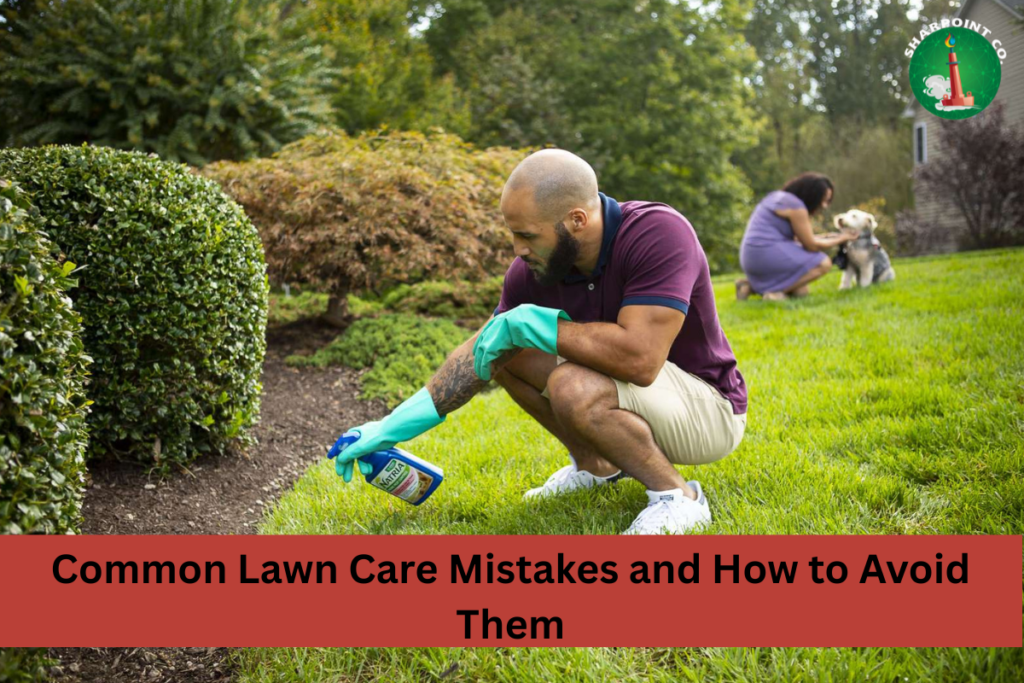
“A healthy lawn depends on simple but consistent care. Avoiding common mistakes such as overwatering, poor mowing practices, and ignoring soil health can make a noticeable difference in its overall condition. When grass is maintained properly, it becomes stronger, greener, and more resistant to weeds and disease. Even small improvements in regular lawn care routines can lead to long-term positive results. Patience and regular attention are essential for achieving a beautiful outdoor space. With the right habits and steady care, any yard can gradually transform into a fresh, green, and welcoming environment.”
A healthy lawn often looks effortless from the outside, but in reality, it requires a balance of timing, technique, and consistent lawn maintenance practices. Many homeowners unintentionally damage their grass by following habits that seem harmless but slowly weaken the lawn over time, especially when they ignore proper seasonal lawn care tips, soil health management, and grass cutting height guidelines. Issues like patchy growth, yellowing grass, weed invasion, and dry spots usually don’t happen overnight; they are the result of repeated small mistakes related to lawn watering schedule, fertilizer application, and weed control methods. The good news is that once you understand these common errors, fixing them becomes much easier through simple improvements like better lawn aeration, proper irrigation system setup, and regular organic lawn care routines. Lawn care is less about doing everything perfectly and more about avoiding the small things that harm your grass without you even realizing it, while also following reliable garden landscaping ideas and long-term lawn health improvement strategies.
Cutting Grass Too Short (Scalping the Lawn)
Cutting grass too short may seem like a smart way to save time, but it can quietly damage your lawn. This common mistake, known as scalping, puts intense stress on the grass and weakens its natural strength. Many homeowners expect a cleaner look, yet the lawn often becomes dry, thin, and unhealthy instead.
Short grass struggles to produce enough energy from sunlight. Weak roots then fail to support healthy growth, and the exposed soil loses moisture much faster. As the lawn becomes weaker, weeds spread more easily, and hot weather causes even more damage. Over time, the yard loses its rich green color and starts to look patchy and uneven.
A healthier lawn begins with gentler mowing habits. Follow the one-third rule and trim only the top section of the grass during each cut. Slightly taller grass protects the soil, holds moisture longer, and naturally slows weed growth. With proper care, your lawn can stay thick, vibrant, and full of life throughout the season.
Overwatering or Underwatering
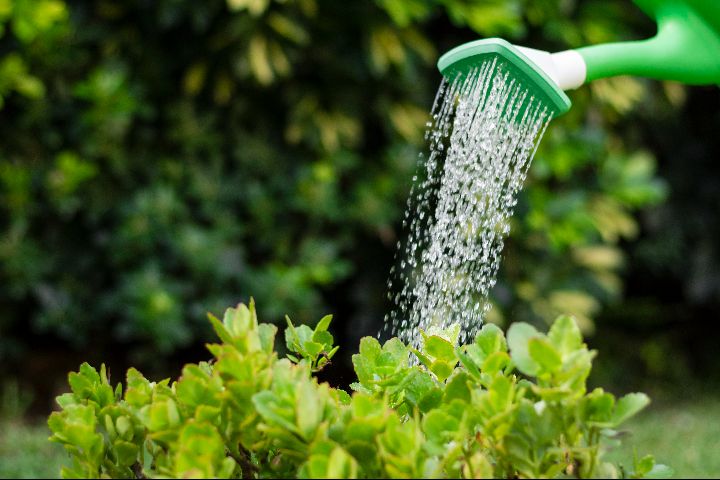
Watering may seem like the simplest part of lawn care, but it is also where most mistakes happen. Overwatering suffocates the roots by reducing oxygen in the soil, while underwatering leads to dry, brittle grass that turns brown and weak. Many homeowners water their lawn daily in small amounts, but this actually prevents roots from growing deeper. Instead, grass benefits more from deep, less frequent watering that encourages strong root development. The best time to water is early in the morning when temperatures are cooler, and evaporation is minimal. Checking soil moisture before watering can also help prevent unnecessary irrigation. A properly balanced watering routine creates a lawn that can survive heat, drought, and seasonal changes much more effectively.
Ignoring Soil Health
Soil health is often overlooked, but it plays a crucial role in the overall condition of your lawn. When the soil becomes compacted or lacks nutrients, grass struggles to grow strong and even, no matter how much water or fertilizer is used. Poor soil limits root development and reduces the lawn’s ability to absorb essential nutrients and moisture. Improving soil health through aeration, composting, and regular pH testing helps create a strong foundation for healthy, green, and long-lasting grass growth.
Why Soil Matters for Lawn Growth
Soil is the foundation of a healthy lawn, yet it is often the most neglected part of lawn care. Even if the grass looks green on the surface, poor soil quality can slowly weaken it from below. Compacted soil restricts airflow, water absorption, and nutrient delivery to the roots, which results in uneven growth and dull-looking grass.
How to Improve Soil Health
Many people focus only on fertilizers, forgetting that without healthy soil, nutrients cannot be properly absorbed. Testing soil pH is an important step in understanding what your lawn actually needs. Adding organic compost can naturally improve soil structure, while aeration helps loosen compacted areas. When the soil is healthy, the grass becomes naturally stronger, greener, and more resistant to stress.
Using Too Much Fertilizer
Fertilizer is essential for lawn growth, but using too much of it can cause more harm than good. Many people assume that extra fertilizer will make grass grow faster and greener, but excessive nutrients can actually burn the roots and create an unhealthy imbalance in the soil. This often leads to patchy growth, yellowing grass, or sudden weak spots. A better approach is to apply fertilizer in controlled amounts according to the season and grass type. Slow-release fertilizers are especially effective because they provide nutrients gradually instead of overwhelming the lawn at once. When used correctly, fertilizer supports steady and natural growth rather than forcing artificial and unhealthy spikes in development.
Ignoring Weeds in the Early Stage
Weeds are one of the fastest-growing threats to any lawn, and ignoring them in the early stage can quickly turn a small problem into a major infestation. When weeds are left untreated, they compete with grass for nutrients, water, and sunlight, eventually taking over weak areas of the lawn. Many homeowners wait until weeds are fully visible before taking action, but by then, they are already well established. The best strategy is early prevention, such as removing weeds as soon as they appear and using pre-emergent treatments during the growing season. A thick, healthy lawn is also one of the best natural defenses against weeds because it limits the space available for them to grow.
Mowing with Dull Blades
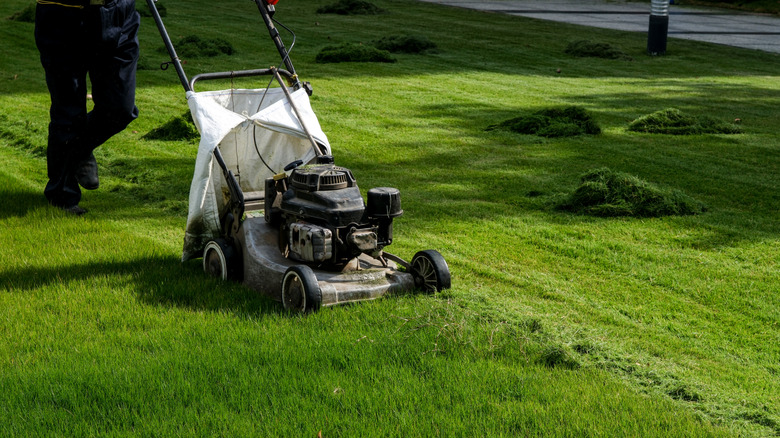
Many homeowners overlook their mower blades, never realizing how much damage a dull blade can cause to a beautiful lawn. Instead of giving the grass a clean, healthy trim, dull blades rip and tear the blades of grass, leaving behind rough brown edges that make the lawn look stressed, tired, and uneven. Over time, these damaged areas become more vulnerable to disease, weakening the lush appearance every homeowner wants to enjoy.
Sharp mower blades can completely change the health and beauty of your yard. A clean cut helps the grass heal faster, stay greener, and maintain a fresh, vibrant look that instantly makes the entire property feel more alive. Sharpening your mower blades at least once each season keeps your lawn looking healthy and full of energy. Cleaning the blades after mowing, especially in wet conditions, also prevents buildup that can reduce cutting performance. Such a simple step can protect your lawn, preserve its beauty, and create an outdoor space that feels welcoming, peaceful, and full of life.
Not Aerating the Lawn
Over time, heavy foot traffic, changing weather, and daily use press the soil tightly together and slowly steal the life from your lawn. When the ground becomes too hard, grass roots struggle to absorb the air, water, and nutrients they desperately need. Your once-beautiful lawn may begin to look thin, weak, and tired, leaving your outdoor space dull and lifeless.
Lawn aeration gives your grass a fresh chance to thrive again. Small holes in the soil allow oxygen, moisture, and nutrients to reach deep into the roots and restore healthy growth from below. Strong roots create thicker, greener, and more vibrant grass that feels soft under your feet and looks full of life. With regular aeration, proper watering, and timely fertilization, you can revive patchy areas and turn your lawn into a lush, healthy space your family will love and enjoy all year long.
Final Thought
A lawn is more than just a patch of grass; it is a living space that reflects the care and attention you give it. Most lawn problems are not caused by neglect alone but by small, repeated mistakes that slowly affect its health. The encouraging part is that every mistake has a simple correction, and improvement often starts with just a few mindful changes. With patience and consistency, even an ordinary yard can transform into a lush, calming green space that feels refreshing every time you step outside. A beautiful lawn is not built in a day; it grows with care, awareness, and a little bit of love.
FAQs
A: One of the most common mistakes is mowing grass too short, which weakens the roots and makes the lawn more vulnerable to weeds, heat, and dryness.
A: Most lawns need deep watering 2–3 times a week rather than light daily watering. This helps roots grow deeper and stronger
A: This can happen due to overwatering, underwatering, lack of nutrients, compacted soil, or pest and weed problems.
A: You can improve greenness by maintaining proper mowing height, watering correctly, improving soil health, and using organic compost or balanced fertilizer.
A: Yes, aeration is important because it loosens compacted soil, allowing air, water, and nutrients to reach the roots more effectively.
A: Generally, mowing once a week during the growing season is ideal, but it depends on grass growth rate and weather conditions.
A: The best time is during active growth seasons (spring and fall for most grasses), using a balanced or slow-release fertilizer.
A: If left untreated, weeds can spread quickly, compete with grass for nutrients, and weaken the lawn, but with proper care, they can be controlled.