
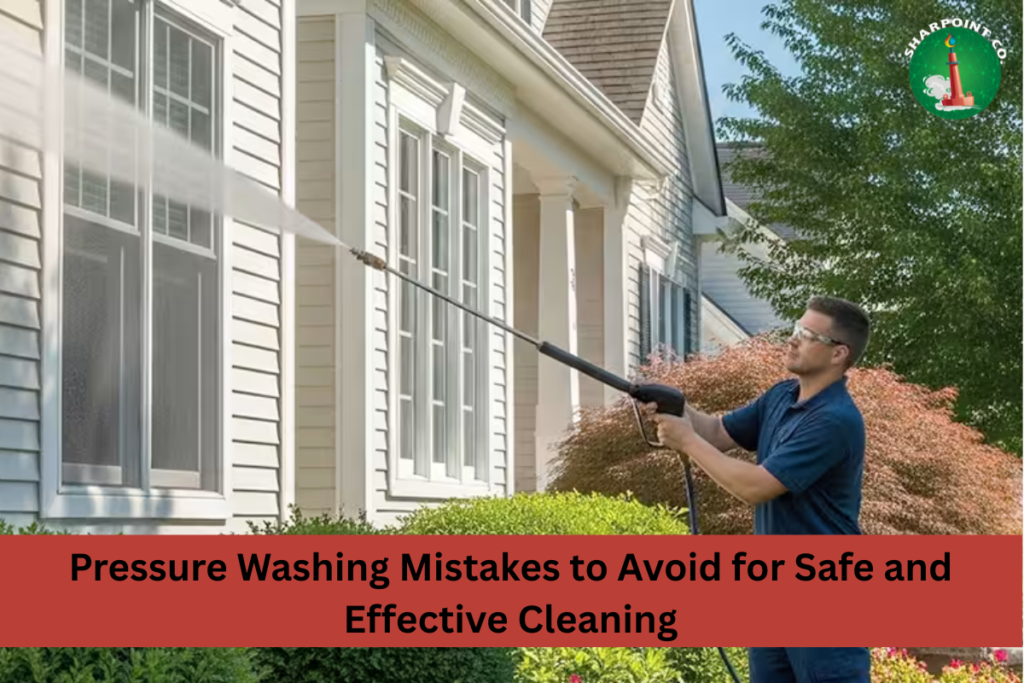
“Pressure washing can completely transform a home, driveway, patio, or commercial space. But one wrong move can leave behind cracked surfaces, damaged paint, injured hands, or costly repairs. Many homeowners rush into cleaning without understanding the hidden risks behind a powerful pressure washer. By learning about the most common pressure-washing mistakes, you can protect your property, save money, and achieve professional-level results safely. Whether you are cleaning your home exterior, restoring concrete, or preparing surfaces for painting, avoiding these errors will help you clean smarter, not harder. In this guide, you will discover the biggest pressure washing mistakes to avoid, expert safety tips, and the right cleaning techniques for long-lasting results.“
Pressure washing feels satisfying. Watching years of dirt disappear within seconds can make any homeowner feel accomplished. But behind that satisfying spray lies a powerful machine capable of damaging wood, concrete, siding, windows, and even your skin. Many people believe pressure washing is a simple point and spray. Unfortunately, this mindset often leads to expensive mistakes. Using too much pressure, choosing the wrong nozzle, or ignoring surface preparation can turn a simple cleaning project into a stressful repair job.
If you want spotless surfaces without damaging your property, understanding the right techniques matters. This blog will walk you through the most common pressure washing mistakes and show you how to clean safely and effectively.
Why Proper Pressure Washing Matters
Pressure washing is not just about appearance. A properly cleaned surface can:
- Extend the life of your property
- Prevent mold and mildew growth
- Improve curb appeal
- Increase property value
- Create a healthier outdoor environment
Ignoring proper cleaning methods can lead to:
Ignoring proper cleaning methods can lead to:
- Surface erosion
- Water intrusion
- Paint damage
- Cracked concrete
- Personal injuries
Learning proper pressure washing safety tips can protect both your home and your peace of mind.
Common Pressure Washing Mistakes to Avoid
Pressure washing may look simple, but many homeowners unknowingly make mistakes that can damage their property, waste money, and even create safety risks. A pressure washer is a powerful cleaning tool designed to remove stubborn dirt, mold, mildew, and grime from surfaces like driveways, decks, siding, and patios. However, when used incorrectly, it can strip paint. One of the most common mistakes is using too much pressure. Many people believe that higher pressure yields better cleaning, but excessive force can permanently damage delicate surfaces such as vinyl siding, wooden fences, roof shingles, and painted walls. Another major issue is choosing the wrong nozzle or spray angle, which can leave visible marks and uneven cleaning patterns.
Ignoring proper safety precautions is another serious problem during pressure washing services. Without protective gear like gloves and safety goggles, users risk injuries caused by flying debris or high-pressure water streams. Homeowners also often forget to inspect surfaces before cleaning, which can worsen existing cracks, loose paint, or damaged siding.
In many cases, people rush through the cleaning process without understanding the correct techniques for house exterior cleaning or driveway pressure washing. This can result in water damage, mold growth, and expensive repairs that could have been avoided with proper care.
By understanding these common pressure washing mistakes and learning safer cleaning methods, homeowners can protect their property, improve curb appeal, and achieve long-lasting cleaning results without unnecessary stress or damage.
Using Too Much Pressure
Using too much pressure is one of the most common mistakes homeowners make during pressure washing. High-pressure water can easily damage delicate surfaces like wood, vinyl siding, painted walls, and roof shingles. Many people think stronger pressure removes dirt faster, but it often leaves cracks, streaks, and surface erosion behind. This mistake can lead to costly repairs and reduce the lifespan of your property’s exterior. To avoid damage, always start with a lower pressure setting and test a small area before beginning the full cleaning process.
Safer Alternative
A safer alternative to using excessive pressure is combining mild pressure with high-quality cleaning detergents. This method helps loosen dirt, mold, and grime without damaging delicate surfaces like siding, decks, or painted areas. Soft washing techniques are especially effective for house exterior cleaning and roof maintenance because they clean gently while protecting materials. Using the correct nozzle and maintaining a safe spraying distance also reduces the risk of cracks, peeling paint, and water damage. Taking a careful and patient approach not only delivers better cleaning results but also protects your property for years to come.
Choosing the Wrong Nozzle
Choosing the wrong nozzle is a common pressure washing mistake that can quickly damage surfaces and reduce cleaning effectiveness. Each nozzle is designed with a specific spray angle and pressure level for different cleaning tasks. Using a narrow spray nozzle on delicate materials like wood, windows, or vinyl siding can leave cracks, dents, or peeling paint behind. On the other hand, using a wide-angle nozzle on tough stains may not clean the surface properly. Understanding the correct pressure washer nozzle tips helps homeowners clean safely while protecting their property from unnecessary damage. Always test the nozzle on a small hidden area first before starting the full cleaning process.
Pressure Washer Nozzle Colors and Their Uses
Pressure washer nozzles come in different colors, and each color represents a specific spray angle and cleaning power. The red nozzle delivers the strongest pressure and is mainly used for heavy-duty industrial cleaning, but it can easily damage surfaces if used incorrectly. Yellow and green nozzles are ideal for driveway pressure washing and general outdoor cleaning because they provide balanced pressure and wider spray coverage. The white nozzle offers a gentle spray, making it safer for windows, cars, and delicate surfaces like painted siding. Black nozzles are commonly used for applying detergents during house exterior cleaning projects. Understanding these nozzle colors helps homeowners choose the safest and most effective cleaning method for every surface.
Red Nozzle (0°)
- Extremely powerful
- Best for industrial use only
- Can easily damage surfaces
Yellow Nozzle (15°)
- Strong cleaning power
- Ideal for concrete cleaning
Green Nozzle (25°)
- General-purpose cleaning
- Suitable for decks and patios
White Nozzle (40°)
- Gentle cleaning
- Great for windows and delicate surfaces
Understanding proper pressure washer nozzle tips can prevent accidental damage.
Ignoring Safety Gear
Ignoring safety gear is one of the most dangerous mistakes people make during pressure washing cleaning. A pressure washer produces a powerful water stream that can cause serious injuries, including cuts, bruises, and eye damage. Many homeowners focus only on cleaning results and forget the importance of personal protection. Wearing safety goggles, gloves, non-slip shoes, and protective clothing helps reduce the risk of accidents while cleaning driveways, decks, or siding. Wet surfaces can also become slippery, increasing the chances of falls and injuries. Following proper pressure washing safety tips not only protects your health but also makes the cleaning process safer and more comfortable.
Essential Pressure Washing Safety Equipment
- Safety goggles
- Waterproof gloves
- Closed-toe shoes
- Hearing protection
- Long sleeves and pants
Protecting yourself should always come before cleaning speed.
Pressure Washing Without Surface Inspection
Starting a pressure washing cleaning project without inspecting the surface first can lead to serious property damage. Many homeowners rush into cleaning without noticing loose paint, cracked siding, damaged concrete, or weak wood panels. High-pressure water can worsen these problems and create expensive repair costs later. A proper inspection helps identify delicate areas that require soft washing or lower pressure settings. It also allows homeowners to prepare surfaces safely before beginning any house exterior cleaning work. Taking a few extra minutes to inspect the area can protect your property and improve cleaning results.
What to Inspect Before Cleaning
Before beginning any driveway pressure washing or siding cleaning project, carefully inspect the entire surface for visible damage. Look for cracks in concrete, chipped paint, mold growth, loose siding, and broken seals around windows or doors. Electrical outlets and outdoor lighting fixtures should also be covered to prevent water damage. Wooden decks and fences need extra attention because weak boards can splinter under strong pressure. Identifying these issues early helps homeowners choose safer cleaning methods and avoid costly mistakes. A careful inspection creates a smoother and more effective pressure washing service experience.
Mistakes Homeowners Make During House Exterior Cleaning
Many homeowners unknowingly make mistakes during house exterior cleaning because they underestimate the power of a pressure washer. Using incorrect pressure settings, poor spray angles, or harsh chemicals can permanently damage siding, windows, decks, and painted surfaces. Some people focus only on removing dirt quickly without considering long-term damage to their property. Water intrusion behind siding panels is another common issue that can lead to mold and wood rot over time. Learning proper cleaning techniques helps protect both the beauty and structure of a home. Safe and careful pressure washing creates better results and reduces future repair costs.
Spraying Water Upward
Spraying water upward during pressure washing cleaning is a common mistake that can trap moisture behind siding panels and exterior walls. This hidden moisture can eventually cause mold growth, mildew buildup, and wood rot inside the structure of the home. Many homeowners do not realize that incorrect spray angles can create long-term water damage problems. Upward spraying can also loosen siding panels and weaken painted surfaces over time. Using proper spray direction helps maintain the durability and appearance of your home exterior. Smart cleaning methods protect your property while delivering safer and more effective results.
Correct Cleaning Technique
The safest house exterior cleaning method is to spray water downward at a slight angle instead of upward. This technique allows dirt, grime, and water to flow naturally away from the home without forcing moisture behind the siding. Maintaining consistent movements while cleaning also prevents streaks and uneven pressure marks. Homeowners should keep a safe distance between the nozzle and the surface to avoid accidental damage. Soft washing techniques are especially useful for delicate materials like vinyl siding and painted walls. Following the correct cleaning approach helps preserve your home’s beauty and structural safety.
Standing Too Close to the Surface
Standing too close to the surface during pressure washing services can cause serious damage to wood, concrete, paint, and siding materials. High-pressure water becomes extremely powerful at close range and can leave visible lines, dents, or cracks behind. Many homeowners accidentally strip paint or etch concrete because they hold the nozzle too near the surface. This mistake often happens when trying to remove stubborn dirt quickly without patience. Proper cleaning distance is important for achieving smooth and even results without harming the material. Careful pressure control protects both the surface and the overall appearance of the property.
Ideal Distance
Maintaining the ideal distance while pressure washing driveways or siding helps prevent unnecessary damage and creates more even cleaning results. Most surfaces should be cleaned from approximately 12 to 24 inches away, depending on the material and pressure level. Tough concrete surfaces may handle slightly closer cleaning distances, while delicate wood or painted areas require more space. Testing a small hidden section first helps determine the safest distance for each project. Consistent nozzle movement also reduces the risk of streaking or surface etching. Proper spacing makes pressure washing safer, smoother, and more effective.
Using Harsh Chemicals Incorrectly
Using harsh chemicals incorrectly during pressure washing can damage surfaces, harm plants, and create health risks for people and pets. Some homeowners mix strong detergents without reading product instructions, which may lead to discoloration or surface corrosion. Chemical runoff can also affect nearby landscaping and pollute outdoor areas. Delicate materials like painted siding, wooden decks, and roof shingles are especially vulnerable to aggressive cleaning solutions. Choosing eco-friendly detergents and using the correct cleaning ratios helps protect your property and the environment. Safe chemical handling improves cleaning quality while reducing long-term damage risks.
Safe Cleaning Tips
Following safe cleaning practices during house exterior cleaning helps homeowners avoid injuries, property damage, and environmental harm. Always read detergent labels carefully before applying any cleaning solution to surfaces. Rinsing nearby plants and grass with water before and after cleaning can help reduce chemical exposure. Using mild, biodegradable detergents is often safer for siding, decks, and concrete surfaces. Protective gloves and safety goggles should also be worn while handling cleaning products. Smart and careful cleaning techniques create better pressure washing results while protecting your home and surroundings.
Pressure Washing Driveways the Right Way
Proper driveway pressure washing can dramatically improve curb appeal and restore the clean appearance of concrete surfaces. However, using incorrect pressure levels or uneven cleaning techniques can leave visible marks and surface damage behind. Many homeowners make the mistake of focusing pressure in one area for too long, which creates streaks and etched lines. Pre-treating oil stains and dirt buildup before washing helps achieve deeper and more even cleaning results. Using the correct nozzle and maintaining steady spray movements protects the concrete surface from unnecessary wear. A careful driveway cleaning approach keeps your outdoor space looking fresh, clean, and professionally maintained.
Common Concrete Cleaning Mistakes
Concrete surfaces may look strong and durable, but improper pressure washing and cleaning techniques can still cause serious damage. Many homeowners use excessive pressure, uneven spray patterns, or incorrect cleaning products while cleaning driveways and sidewalks. These mistakes can leave permanent streaks, cracks, and surface erosion on the concrete. Ignoring proper preparation before washing also reduces cleaning effectiveness and increases long-term wear. Understanding the right driveway pressure washing methods helps protect concrete surfaces while improving curb appeal. Careful and controlled cleaning always produces safer and longer-lasting results.
Using Excessive Pressure
Using excessive pressure during concrete cleaning services can damage the surface by creating visible lines, cracks, and rough textures. Many people assume stronger pressure removes stains faster, but it often weakens the top layer of concrete over time. This damage can make driveways more vulnerable to moisture, dirt buildup, and weather exposure. High pressure can also strip sealants that protect the concrete from future wear and tear. Starting with moderate pressure settings is a safer and more effective cleaning approach. Controlled pressure helps preserve the appearance and durability of your driveway.
Uneven Cleaning Patterns
Uneven cleaning patterns are a common problem during pressure washing driveways and patios. Holding the nozzle in one spot for too long can leave visible streaks and patchy areas across the concrete surface. Inconsistent spray movements create an unprofessional appearance and may damage certain sections more than others. Many homeowners rush through the cleaning process without maintaining steady motion. Using smooth and overlapping spray patterns helps achieve even cleaning results without harming the concrete. Patience and consistency are key to successful pressure washing.
Ignoring Oil Stains Before Washing
Ignoring oil stains before starting driveway pressure washing often leads to disappointing cleaning results. Oil and grease stains can deeply penetrate concrete surfaces, making them difficult to remove with water pressure alone. Many homeowners waste time repeatedly spraying stained areas without using proper pre-treatment products. Applying a degreaser before washing helps break down stubborn stains and improves cleaning effectiveness. This process also reduces the need for excessive pressure that could damage the concrete surface. Proper stain preparation creates a cleaner and more polished driveway appearance.
Better Concrete Cleaning Method
A better concrete cleaning method involves using the right pressure level, suitable detergents, and consistent spray techniques. Pre-treating stains, sweeping away loose debris, and testing pressure settings first can improve overall cleaning quality. Homeowners should use moderate pressure and wide-angle nozzles to avoid surface damage during cleaning. Maintaining even spray movements helps prevent streaking and patchy results. Eco-friendly detergents can also help loosen dirt without harming nearby plants or landscaping. Following safe cleaning methods keeps concrete surfaces cleaner and stronger for years.
Roof Cleaning Mistakes That Can Cost Thousands
Roof cleaning may seem simple, but improper techniques can lead to expensive damage and shorten the lifespan of roofing materials. Many homeowners use strong pressure settings during roof pressure washing, thinking it will remove dirt and moss faster. Unfortunately, high-pressure cleaning can loosen shingles, remove protective granules, and create leaks inside the home. Water intrusion from poor roof cleaning methods can also lead to mold growth and structural damage over time. Understanding safer roof cleaning techniques helps protect your investment and avoid costly repairs. Gentle cleaning methods are always better for maintaining roof durability and appearance.
Using High Pressure on Roof Shingles
Using high pressure on roof shingles is one of the most damaging mistakes during roof cleaning services. Asphalt shingles contain protective granules that shield the roof from sunlight, rain, and harsh weather conditions. Strong water pressure can strip away these granules and weaken the roof’s protective barrier. This damage may lead to leaks, reduced energy efficiency, and expensive roof replacement costs. Many homeowners unknowingly shorten the life of their roof by using aggressive cleaning techniques. Soft and controlled cleaning methods are much safer for protecting roofing materials.
Safer Roof Cleaning Alternative
A safer alternative to traditional pressure washing for roofs is soft washing. Soft washing uses low-pressure water combined with specialized cleaning solutions to remove algae, moss, mold, and dirt safely. This method protects roof shingles from cracking, lifting, and granule loss caused by excessive pressure. Soft washing also provides longer-lasting cleaning results because it targets the root of organic growth instead of only surface dirt. Many professional roof cleaning services recommend this approach for maintaining roof health and appearance. Gentle roof cleaning protects both your home and your peace of mind.
Best Practices for Safe and Effective Pressure Washing
Following the best pressure washing safety tips can help homeowners clean their property effectively while avoiding unnecessary damage. Pressure washing requires proper techniques, suitable equipment, and careful planning to achieve professional-looking results. Many cleaning mistakes happen because people rush through the process without understanding surface requirements. Using correct pressure levels, safe detergents, and proper spray angles can protect siding, concrete, decks, and roofs from harm. A safe cleaning approach also reduces injury risks and improves cleaning efficiency. Smart pressure washing practices help maintain the beauty and value of your property.
Start with Low Pressure
Starting with low pressure is one of the safest ways to begin any house exterior cleaning project. Every surface reacts differently to water pressure, especially delicate materials like wood, vinyl siding, and painted areas. Testing a small hidden section first allows homeowners to adjust pressure settings safely before cleaning larger areas. Beginning with lower pressure also reduces the risk of cracks, peeling paint, and surface erosion. Gradually increasing pressure only when necessary helps achieve better cleaning control. A careful approach protects both the surface and the cleaning equipment.
Use the Right Cleaning Solution
Using the right cleaning solution during pressure washing services improves cleaning power without relying on excessive pressure. Different surfaces require different detergents to remove mold, grease, dirt, and stains effectively. Harsh chemicals can damage siding, concrete, roofing materials, and nearby plants if used incorrectly. Eco-friendly cleaning products are often safer for both the environment and the property. Proper detergents help loosen stubborn dirt, making the cleaning process easier and more efficient. Choosing the correct cleaning solution creates safer and longer-lasting results.
Follow Manufacturer Instructions
Following manufacturer instructions is essential for safe and effective pressure washing and cleaning. Every pressure washer model has different pressure limits, nozzle recommendations, and detergent requirements. Ignoring these instructions can damage the machine, reduce cleaning performance, and create safety risks during operation. Proper setup and maintenance also help extend the lifespan of the equipment. Reading the user manual before starting a cleaning project helps homeowners understand safe operating procedures. Using the equipment correctly protects both the user and the property being cleaned.
Keep Electrical Areas Covered
Keeping electrical areas covered during house exterior cleaning is important for preventing dangerous accidents and property damage. Water and electricity are a risky combination, especially around outdoor outlets, light fixtures, and wiring systems. Many homeowners forget to protect these areas before pressure washing their homes or driveways. Covering electrical components with waterproof materials helps reduce the risk of short circuits and electrical shock. Careful preparation also prevents moisture from entering sensitive electrical systems. Safe cleaning practices protect your home and create a safer working environment.
Know When to Hire Professionals
Knowing when to hire professional pressure washing services can save homeowners time, stress, and expensive repair costs. Certain cleaning projects, such as roof cleaning, multi-story homes, and delicate surfaces, require advanced experience and specialized equipment. Attempting difficult cleaning tasks without proper knowledge can lead to property damage and personal injuries. Professional cleaners understand safe pressure levels, effective detergents, and surface-specific cleaning methods. They can also complete large cleaning projects more efficiently and safely. Hiring experts gives homeowners peace of mind and ensures high-quality cleaning results.
Benefits of Professional Pressure Washing Services
Professional cleaners understand:
- Proper pressure settings
- Surface-safe techniques
- Eco-friendly cleaning methods
- Advanced equipment handling
They can safely restore:
- Driveways
- Decks
- Patios
- Roofs
- Siding
- Commercial buildings
Experienced pressure washing professionals also reduce the risk of accidental damage
Final Thoughts
Pressure washing is a powerful way to restore beauty and cleanliness to your property. But without proper knowledge, it can quickly become destructive. Avoiding common mistakes like excessive pressure, incorrect nozzles, poor safety practices, and improper techniques can make a huge difference in both results and safety. A clean home should feel rewarding, comforting, and stress-free. By following smart pressure washing practices, you can protect your investment, improve curb appeal, and enjoy the satisfaction of a beautifully maintained property. Remember safe cleaning is effective cleaning.
FAQs
Using too much pressure can damage siding, wood, paint, and concrete surfaces.
Yes, excessive pressure can leave cracks, streaks, and surface erosion on concrete.
High-pressure washing is unsafe for roofs. Soft washing is the safer option.
Wear gloves, safety goggles, non-slip shoes, and protective clothing.
Most homes should have house exterior cleaning once a year.
White and green nozzles are safest for delicate siding surfaces.
No, always use detergents made specifically for pressure washing cleaning.
Pre-treatment helps remove deep stains more effectively during driveway pressure washing.