
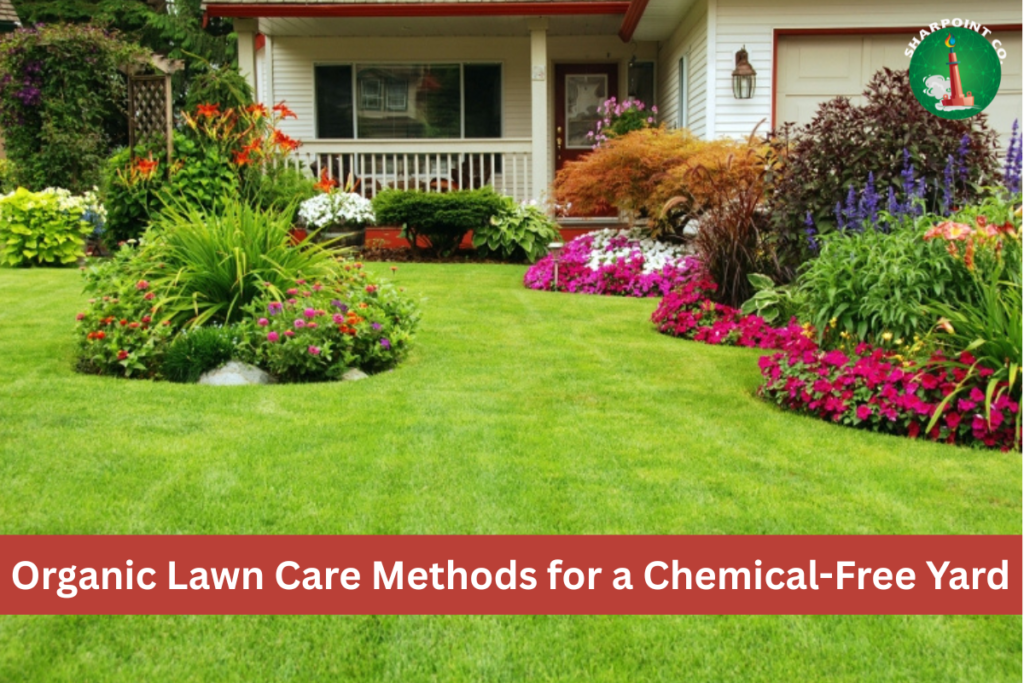
“Organic lawn care is a natural and sustainable way to create a healthy, beautiful yard without relying on harmful chemicals. By focusing on healthy soil, organic fertilizers, proper watering, and natural pest control, homeowners can enjoy a lush green lawn that is safe for children, pets, and the environment. With patience and consistent care, a chemical-free lawn can thrive while supporting a healthier outdoor ecosystem.”
A healthy, vibrant lawn is more than just a beautiful outdoor space; it is a place where families gather, children play, pets roam freely, and memories are created. However, many traditional lawn care practices rely heavily on synthetic fertilizers, chemical herbicides, and pesticides that can negatively impact the environment, local wildlife, and even the health of your family.
The good news is that achieving a lush, green lawn does not require harsh chemicals. Organic lawn care methods provide a natural, sustainable way to nourish your grass while supporting soil health and protecting the ecosystem around your home. By embracing chemical-free lawn maintenance, homeowners can create a safer and healthier outdoor environment without sacrificing curb appeal.
In this guide, we will explore effective organic lawn care methods that help you maintain a beautiful yard naturally and sustainably.
Why Choose Organic Lawn Care?
Traditional lawn treatments often provide quick results, but they can create long-term problems for soil health and environmental sustainability. Chemical products may kill beneficial microorganisms, contaminate groundwater, and harm pollinators such as bees and butterflies.
Organic lawn care focuses on building healthy soil, encouraging natural growth, and supporting biodiversity. Instead of relying on synthetic solutions, organic methods work with nature to create a resilient lawn that thrives year after year.
Benefits of organic lawn care include:
- Healthier soil structure
- Improved water retention
- Reduced environmental impact
- Safer play areas for children and pets
- Increased biodiversity
- Long-term lawn sustainability
Understanding Soil Health
The foundation of every healthy lawn begins beneath the surface. Soil health is one of the most important aspects of organic lawn care. Healthy soil contains beneficial microorganisms, earthworms, and organic matter that support strong root development. Before starting any lawn improvement program, consider testing your soil to understand its nutrient levels and pH balance. Improving soil health naturally helps grass absorb nutrients more efficiently while reducing dependence on external inputs. Adding organic matter, such as compost, improves soil structure and encourages beneficial microbial activity.
Use Organic Fertilizers
One of the core principles of organic lawn maintenance is replacing synthetic fertilizers with natural alternatives. Organic fertilizers release nutrients slowly, providing steady nourishment for your lawn. Common organic fertilizer options include:
- Compost
- Bone meal
- Blood meal
- Fish emulsion
- Seaweed extract
- Alfalfa meal
Unlike synthetic fertilizers, organic products help build soil fertility over time while minimizing nutrient runoff.
Apply Compost Regularly
Compost is often called “black gold” by gardeners for good reason. Compost adds valuable nutrients to the soil while improving moisture retention and microbial activity. Applying a thin layer of compost across your lawn once or twice a year can significantly improve turf health.
Top dressing with compost helps create a richer growing environment where grass can thrive naturally.
Practice Proper Mowing Techniques
Many homeowners unknowingly damage their lawns through improper mowing habits. Cutting grass too short weakens root systems and makes lawns more vulnerable to weeds and drought. A good rule of thumb is to never remove more than one-third of the grass blade during a single mowing session.
Keeping grass slightly taller:
- Shades weed seeds
- Conserves moisture
- Encourages deeper roots
- Improves overall lawn resilience
Leave grass clippings behind whenever possible. These clippings naturally return nutrients to the soil.
Water Deeply and Infrequently
Water management plays a crucial role in eco-friendly lawn maintenance. Frequent shallow watering encourages weak root systems. Instead, water deeply but less often to promote stronger root growth.
Early morning watering is ideal because it reduces evaporation and allows grass to dry throughout the day, minimizing disease risks. Deep watering practices help lawns become more drought-tolerant and resilient during hot weather.
Control Weeds Naturally
Weeds are often one of the biggest concerns for homeowners transitioning to organic lawn care. Rather than using chemical herbicides, focus on preventing weeds by maintaining thick, healthy turf. Dense grass naturally crowds out unwanted plants.
Natural weed control methods include:
- Hand pulling weeds
- Mulching garden borders
- Applying corn gluten meal
- Overseeding thin lawn areas
- Maintaining proper mowing height
Healthy lawns are the best defense against invasive weeds.
Encourage Beneficial Microorganisms
A thriving organic lawn depends on a healthy underground ecosystem. Beneficial bacteria, fungi, and earthworms help break down organic matter and make nutrients available to the grass roots. These microorganisms improve soil structure and support natural nutrient cycling. Avoiding harsh chemicals allows these helpful organisms to flourish and contribute to long-term lawn health.
Overseed for Thicker Grass
Thin or patchy lawns are more susceptible to weeds, erosion, and drought stress. Overseeding involves spreading grass seed over existing turf to fill in bare spots and improve lawn density.
Benefits of overseeding include:
- Thicker grass coverage
- Better weed resistance
- Improved appearance
- Enhanced drought tolerance
Fall is often the best time for overseeding because cooler temperatures support healthy germination.
Use Natural Pest Management
Not every insect in your lawn is a pest. Many insects contribute positively to the ecosystem. Organic pest management focuses on balance rather than elimination. Encouraging beneficial insects such as ladybugs and predatory beetles can help control harmful pests naturally.
Additional strategies include:
- Proper watering practices
- Healthy soil management
- Biological pest controls
- Beneficial nematodes
A balanced ecosystem often regulates pest populations without chemical intervention.
Aerate Your Lawn
Compacted soil restricts water, oxygen, and nutrient movement. Aeration creates small openings in the soil, allowing roots to access essential resources more effectively.
Benefits of lawn aeration include:
- Improved root growth
- Better water infiltration
- Enhanced nutrient absorption
- Reduced soil compaction
Core aeration is especially beneficial for lawns that experience heavy foot traffic.
Embrace Sustainable Lawn Practices
Organic lawn care is part of a broader commitment to environmental stewardship. Sustainable landscaping practices can further enhance your lawn’s health while reducing environmental impact.
Examples include:
- Planting native grasses
- Using drought-tolerant species
- Reducing water consumption
- Creating pollinator-friendly spaces
- Minimizing waste
These practices support both lawn health and local ecosystems.
The Long-Term Benefits of Organic Lawn Care
Some homeowners hesitate to switch because organic lawn care often takes longer to show results than chemical treatments. However, patience pays off.
Over time, organic methods create:
- Stronger root systems
- Improved soil fertility
- Greater drought resistance
- Reduced pest problems
- Enhanced environmental health
Instead of relying on temporary fixes, organic lawn care builds a sustainable foundation for long-term success.
Final Thoughts
A beautiful lawn does not have to come at the expense of your family’s health or the environment. Organic lawn care methods offer a natural and effective way to create a lush, thriving yard while protecting the ecosystem around your home.
By focusing on soil health improvement, organic fertilizers, compost for lawn care, natural weed control, lawn aeration benefits, and sustainable landscaping practices, homeowners can enjoy a greener lawn without relying on harsh chemicals. Every small step toward organic lawn care contributes to a healthier outdoor environment, safer play spaces, and a more sustainable future. The journey may require patience, but the rewards are well worth the effort. Your lawn, your family, and the environment will all benefit from a more natural approach to lawn care.
FAQs
A: Organic lawn care uses natural methods such as compost, organic fertilizers, and biological pest control to maintain healthy grass without synthetic chemicals.
A: Most homeowners begin noticing improvements within one growing season, while long-term soil health benefits continue to develop over several years.
A: Yes. Organic fertilizers provide steady, long-lasting nutrients while improving soil health and supporting beneficial microorganisms.
A: Natural weed control methods include proper mowing, overseeding, hand removal, corn gluten meal applications, and maintaining dense turf.
A: Yes. One of the biggest advantages of organic lawn care is creating safer outdoor spaces for families and pets.
A: Most lawns benefit from aeration once a year, particularly if the soil is compacted or receives heavy foot traffic.
A: Yes. Healthy organic soils retain moisture more effectively, helping reduce irrigation needs and improve drought resistance.
A: Compost, fish emulsion, seaweed extract, and alfalfa meal are all excellent organic fertilizer options, depending on your lawn’s needs.