
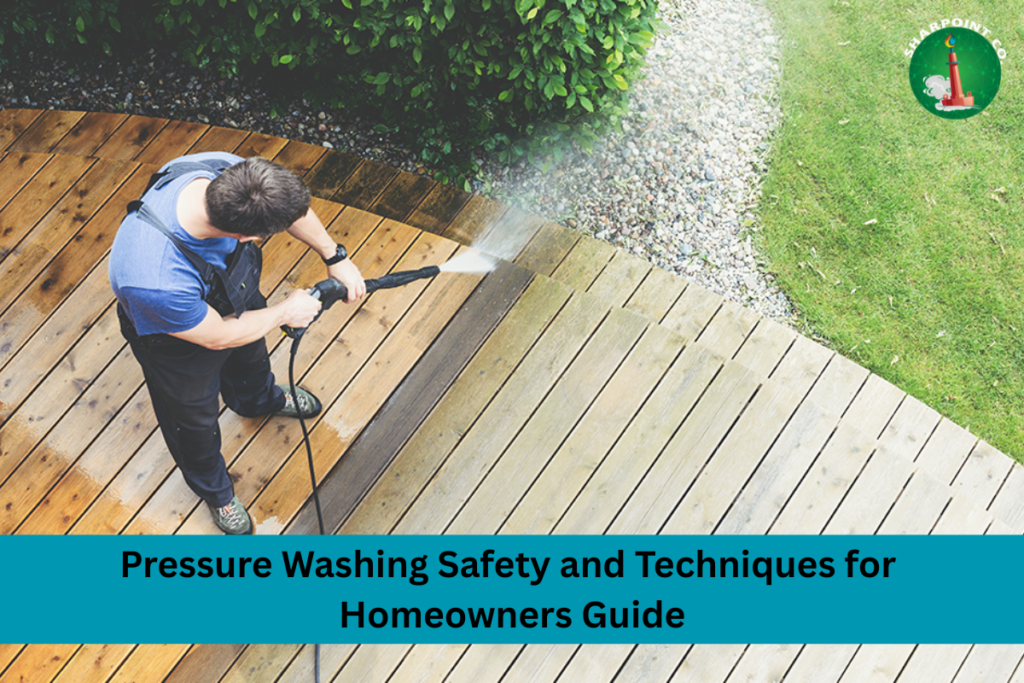
“Pressure washing safety and techniques are essential for every homeowner who wants clean results without damaging their property. When done with care and the right method, it not only improves the look of your home but also protects surfaces and ensures long-lasting cleanliness.“
A clean and well-maintained home brings a feeling of peace, comfort, and pride that words often cannot explain. Over time, however, dust, grime, mold, and weather stains slowly fade the beauty of your outdoor spaces, making even the most loved homes appear tired and neglected. Pressure washing offers a powerful way to restore that lost freshness, revealing cleaner surfaces and giving your home a renewed sense of life. Yet behind those satisfying results is a machine that must be handled with care. Without proper knowledge, pressure washing can damage surfaces or even cause injury. That is why learning the right pressure washing safety tips and techniques is so important. In this guide, you will discover safe, effective, and practical methods to clean your home with confidence while protecting the place that means so much to you.
What is Pressure Washing?
A pressure washing machine, commonly known as a pressure washer, is a powerful cleaning device that uses high-pressure water spray to remove dirt, mold, grime, and stains from surfaces like driveways, patios, siding, and vehicles. It works by drawing water through a motorized pump and forcing it out through a small nozzle, creating a concentrated stream that delivers effective cleaning results. For homeowners learning pressure washing safety tips, understanding how a pressure washer functions is crucial to prevent surface damage and personal injury. These machines are available in both electric and gas-powered versions, making them suitable for a wide range of home exterior cleaning tasks. When used properly, a pressure washer becomes an essential tool in any DIY home maintenance guide, helping save time while achieving professional-quality cleaning.
How does it work?
A pressure washing machine works by using a motor or engine to power a pump that increases the pressure of water from a regular garden hose. The water is then forced through a narrow nozzle, creating a high-pressure stream that effectively removes dirt, grease, mold, and stubborn stains from surfaces. Many machines also allow the use of detergents, which mix with the water to enhance cleaning performance for tougher jobs. For homeowners following the pressure washer operation guide instructions, it’s important to adjust the pressure level and nozzle type based on the surface being cleaned to avoid damage. Understanding this process also supports better pressure washing safety tips, ensuring safe and efficient use. When applied correctly, this method becomes a key part of home exterior cleaning, delivering deep cleaning results with minimal effort.
Why Pressure Washing Safety Matters So Much
Many homeowners believe pressure washing is a quick and simple cleaning task, but in reality, it is a powerful process that requires patience, care, and respect. The strong stream of water produced by a pressure washer can easily remove years of dirt and grime, yet that same force can also damage surfaces or cause serious injury when handled carelessly. A single mistake may crack wood, strip paint, damage exterior walls, or force water into places where it should never reach. More importantly, improper use can put your own safety at risk. That is why pressure washing safety matters so much. Safe pressure washing is not only about achieving clean results, but it is also about protecting your home, preventing costly damage, and ensuring that every cleaning task is done responsibly and thoughtfully.
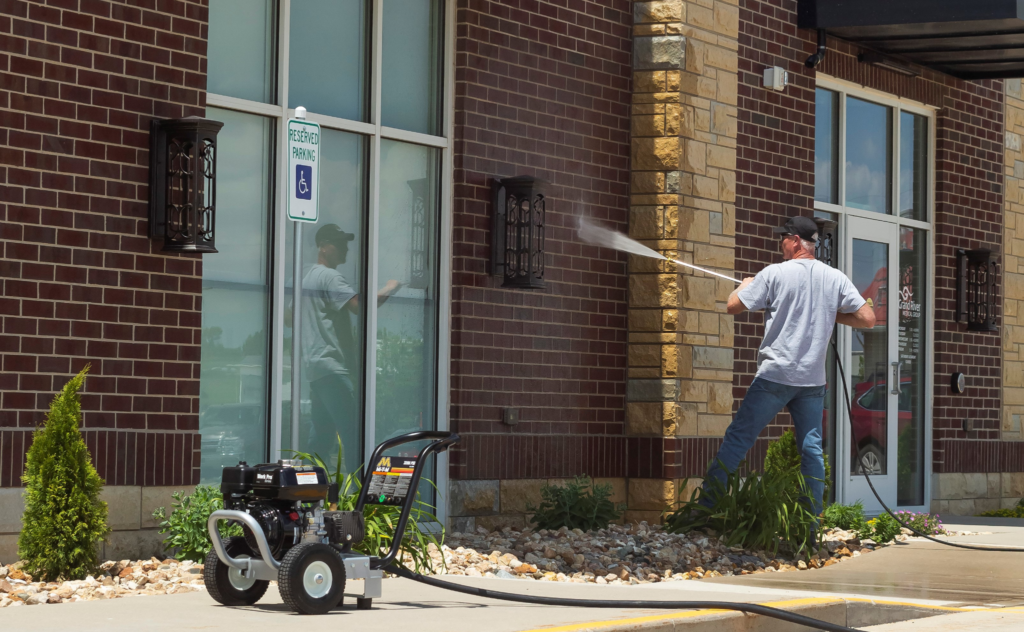
Essential Pressure Washing Safety Tips for Homeowners
Pressure washing can completely transform the appearance of your home, bringing back the freshness and beauty hidden beneath layers of dirt and grime. But while the results can feel deeply satisfying, safety should always come first. A pressure washer is a powerful machine, and using it carelessly can damage your property or cause serious injury. Taking a few careful precautions not only protects your home but also gives you peace of mind while cleaning.
Always Wear Protective Gear
Before you begin, protect yourself properly. Safety goggles help shield your eyes from flying dirt, debris, and small stones that may bounce back during cleaning. Gloves provide a better grip and protect your hands, while closed-toe shoes help prevent injuries caused by slippery surfaces or accidental sprays. A few moments of preparation can save you from painful accidents.
Start with Low Pressure
It can be tempting to use maximum power immediately, especially on stubborn stains, but starting with low pressure is always the safest choice. Gentle pressure allows you to test how the surface reacts and reduces the risk of cracks, paint damage, or surface marks. You can slowly increase the pressure if needed, giving you better control and safer results.
Maintain Proper Distance
Holding the nozzle too close to a surface can cause instant damage, especially on wood, paint, or delicate siding. Keeping a proper distance allows the water to clean effectively without harming the material underneath. Moving steadily and patiently creates a cleaner, smoother finish.
Be Careful Around Electricity
Water and electricity should never mix. Always stay away from electrical outlets, outdoor lights, exposed wiring, or power connections while pressure washing. A small mistake around electricity can quickly become dangerous, so extra caution is essential for your safety and the safety of your family.
Keep Children and Pets Away
Pressure washing should always be done in a controlled area. Children and pets may unknowingly walk into the spray path or slip on wet surfaces. Keeping them at a safe distance helps prevent accidents and allows you to focus fully on the cleaning process.
Best Pressure Washing Techniques for Better Results
Pressure washing is not just about removing dirt; it is about restoring the beauty and freshness your home deserves. When done with the right techniques, even old and weathered surfaces can look clean, bright, and welcoming again. The secret is not always in using more pressure, but in using the correct method with patience and care.
Clean from Top to Bottom
One of the most effective pressure washing techniques is to always clean from the top downward. Starting high allows dirt, soap, and water to flow naturally toward the ground instead of running over areas you have already cleaned. This creates a smoother finish, prevents streaks, and saves both time and effort.
Choose the Right Nozzle
Every surface around your home is different, and each one requires a specific spray pattern. A narrow nozzle produces a stronger stream for hard surfaces like concrete, while a wider nozzle offers a gentler spray that is safer for wood, siding, or painted areas. Choosing the right nozzle helps protect your home while still achieving powerful cleaning results.
Work in Small Sections
Trying to wash large areas too quickly can leave uneven marks and missed spots. Working in smaller sections gives you better control and allows you to clean each area thoroughly. This simple approach creates a more polished and professional-looking result that feels satisfying to see.
Pre-Treat Tough Stains
Some stains, like oil, mold, or heavy dirt buildup, need a little extra attention. Before using high pressure, allow water or a cleaning solution to soak the area for a few minutes. This softens the grime and makes it easier to remove without damaging the surface underneath.
Don’t Rush the Process
Pressure washing is most effective when done carefully. Rushing often leads to uneven cleaning, wasted effort, and accidental damage. Taking your time allows you to notice details, clean more effectively, and enjoy the rewarding transformation happening right in front of you.
Use Steady and Smooth Movements
Moving the spray wand too quickly may leave dirt behind, while holding it in one place for too long can damage surfaces. Smooth, steady motions create even cleaning and prevent unnecessary marks or pressure lines. Patience truly makes all the difference.
Final Thought
Pressure washing is more than a home maintenance task; it is a way of caring for the place where life happens. Every clean surface brings a small sense of renewal, almost like giving your home a fresh start.
But the real beauty is not just in the results, it is in doing it safely, thoughtfully, and responsibly. When you take your time, follow proper techniques, and respect the power of the machine, you are not just cleaning your home… You are protecting it. And that care is what truly makes a house feel like home.
FAQs
A: Yes, it is safe if you follow proper instructions, start with low pressure, and use the right safety gear.
A: Yes, if used incorrectly. High pressure or wrong technique can damage paint, wood, or siding.
A: Most homes need pressure washing once or twice a year, depending on weather and dirt buildup.
A: It depends on the surface, but starting with low pressure is always the safest option.
A: Small tasks can be done yourself, but large or delicate surfaces are safer when handled by professionals.