
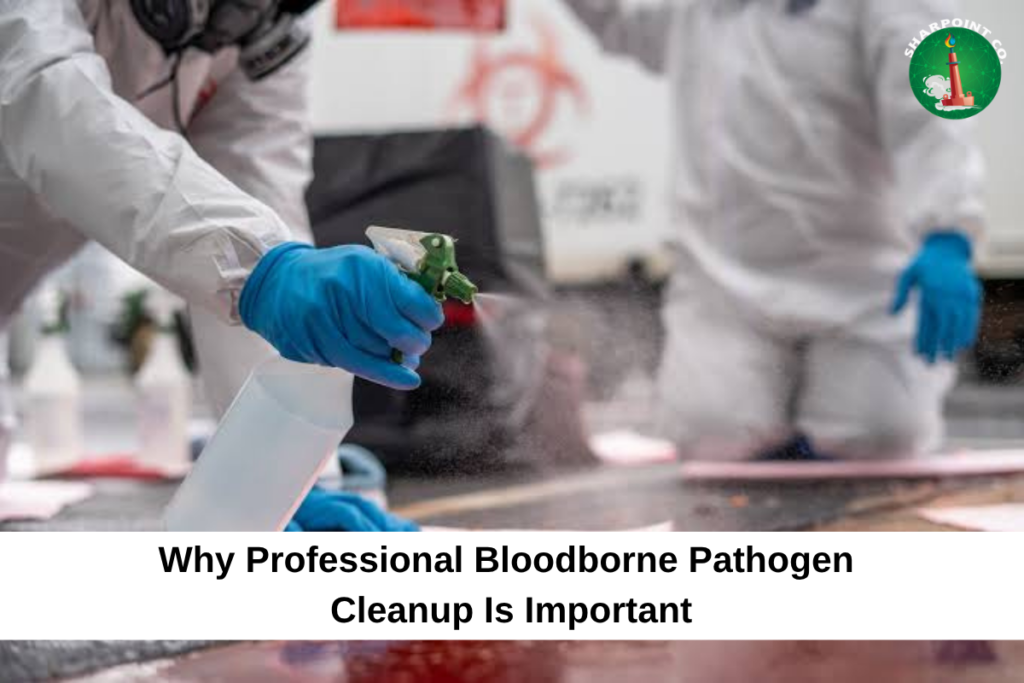
“Professional bloodborne pathogen cleanup is important because blood and certain bodily fluids can carry infectious microorganisms that may put people at risk. Proper cleanup involves appropriate protective equipment, approved disinfectants, safe waste handling, and careful decontamination. Beyond removing visible stains, professional cleanup helps reduce exposure risks, protect public health, and restore a safer environment after an accident or traumatic event.”
In This Article
- What Are Bloodborne Pathogens?
- Why Is Bloodborne Pathogen Cleanup Important?
- How Can Bloodborne Pathogens Spread?
- Why Professional Cleanup Is Safer Than DIY Cleaning
- Key Steps in Professional Bloodborne Pathogen Cleanup
- The Risks of Improper Blood Cleanup
- Who May Need Professional Cleanup Services?
- How to Choose a Qualified Cleanup Provider
- Final Thought
- Frequently Asked Questions
- Top 10 LSI Keywords
- Suggested Internal Linking Keywords
After an accident, injury, or traumatic event, cleaning up blood and bodily fluids can be emotionally difficult. The situation may leave family members, employees, property owners, or other people feeling overwhelmed. In these moments, the priority is to restore the affected space while protecting everyone who may come into contact with it.
However, blood cleanup is not simply about removing visible stains. Blood and certain bodily fluids can contain bloodborne pathogens, which are infectious microorganisms capable of causing disease. These hazards may remain on contaminated surfaces or inside porous materials if cleanup is incomplete.
Professional bloodborne pathogen cleanup helps address these risks through appropriate protective equipment, safe cleaning company procedures, proper disinfection, and responsible waste handling. Understanding why this work matters can help people make informed decisions when facing a potentially hazardous situation.
What Are Bloodborne Pathogens?
Bloodborne pathogens are microorganisms found in human blood that can cause infections in people. Some may also be present in certain bodily fluids, depending on the pathogen and circumstances.
Common examples include:
- Hepatitis B virus (HBV): A virus that affects the liver and can cause both short-term and long-term illness.
- Hepatitis C virus (HCV): A virus that can lead to liver inflammation and chronic liver disease.
- Human immunodeficiency virus (HIV): A virus that attacks the immune system.
These pathogens may spread when infected blood enters another person’s body through broken skin, mucous membranes, or certain injuries, such as a puncture from a contaminated sharp object.
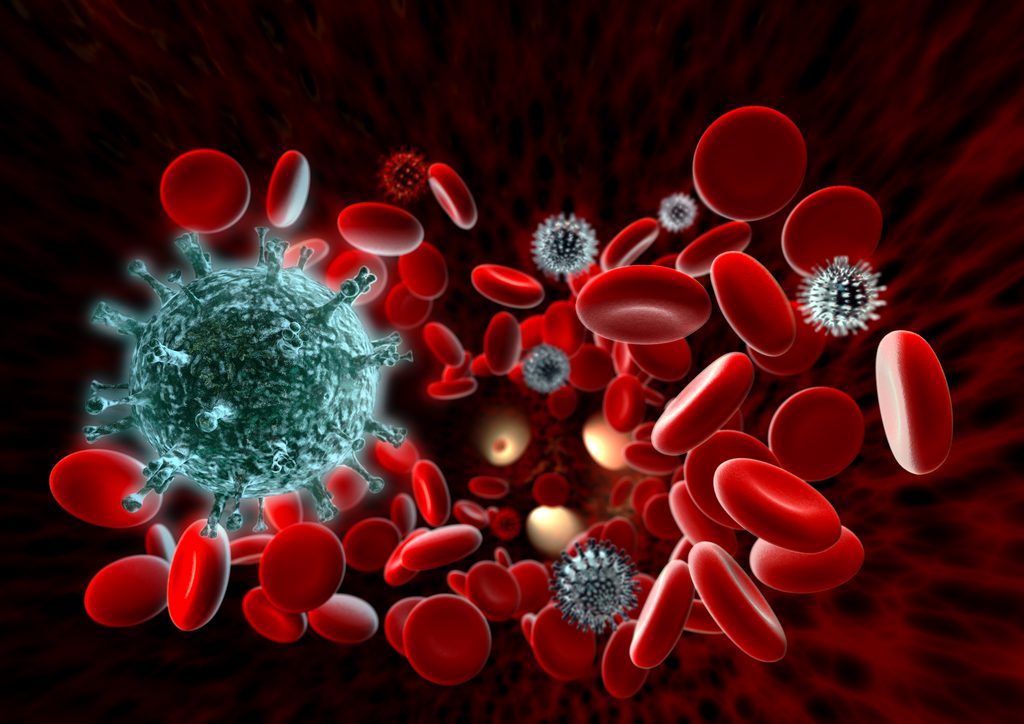
Not every blood spill contains infectious pathogens, but it is not possible to determine the risk simply by looking at the blood. For this reason, potentially infectious materials should be handled carefully and cleaned using appropriate procedures.
Why Is Bloodborne Pathogen Cleanup Important?
Professional cleanup is important because contamination can create health risks that are not always visible. Wiping away a stain may improve the appearance of a surface, but it does not automatically mean the area has been properly disinfected.
1. Helps Protect Human Health
Blood and bodily fluids may expose people to infectious microorganisms when handled without proper precautions. Professional cleanup uses suitable protective equipment and procedures to reduce the chance of direct contact, splashes, and injuries from contaminated sharps.
These precautions help protect residents, employees, property owners, visitors, and anyone who may enter the affected area.
2. Supports Thorough Decontamination
Blood can seep into carpets, upholstery, mattresses, wood, drywall, and other porous materials. Cleaning only the visible surface may leave contamination behind.
Trained cleanup personnel assess the affected area, determine which materials can be safely cleaned, and identify items that may require removal. They also use disinfectants appropriate for the situation and follow the required contact times and product instructions.
The goal is to address contamination properly rather than simply make the space look clean.
3. Reduces the Risk of Cross Contamination
Cross-contamination occurs when contaminated materials, equipment, hands, or clothing transfer potentially infectious substances to other surfaces.
Without suitable precautions, contamination can spread from one room to another or onto cleaning tools and personal belongings. Professional procedures use appropriate containment, cleaning methods, and waste handling to help prevent this from happening.
4. Helps Meet Safety Requirements
Employers and other responsible parties may have legal duties related to blood exposure, worker protection, and hazardous waste management. In the United States, the Occupational Safety and Health Administration (OSHA) Bloodborne Pathogens Standard applies to certain occupational exposure situations.
Applicable requirements depend on the setting, the work being performed, and local regulations. Following relevant safety procedures helps reduce risks and supports responsible handling of potentially infectious materials.
5. Provides Peace of Mind During Difficult Situations
Blood cleanup may follow an accident, medical emergency, violent incident, or unexpected death. These events can be distressing, and managing the cleanup alone may add to the emotional burden.
Professional assistance allows affected individuals to focus on their well-being and other immediate needs while trained personnel address the contaminated area with care, discretion, and attention to safety.
How Can Bloodborne Pathogens Spread?
Understanding common exposure routes explains why blood cleanup requires caution.
Contact With Broken Skin
Cuts, scratches, or damaged skin can provide a route for infectious material to enter the body. Handling contaminated objects without appropriate protection may increase exposure risk.
Splashes to the Eyes, Nose, or Mouth
Blood or certain bodily fluids can create an exposure risk if they reach the mucous membranes of the eyes, nose, or mouth. Suitable protective equipment and safe work practices help reduce this possibility.
Injuries From Contaminated Sharps
Used needles, broken glass, razors, and other sharp objects may cause puncture wounds. If contaminated, these objects can expose a person to bloodborne pathogens. Sharps should never be picked up casually or handled with bare hands.
Contact With Contaminated Materials
Clothing, towels, bedding, furniture, and other items may become contaminated with blood or bodily fluids. Handling these materials without appropriate precautions can create unnecessary exposure risks.
Important: If a person experiences a possible bloodborne pathogen exposure, they should seek prompt medical evaluation. Some preventive treatments are time-sensitive.
Why Professional Cleanup Is Safer Than DIY Cleaning
Small, low risk spills may be managed by trained personnel in a workplace when established procedures and appropriate resources are available. However, significant blood spills, traumatic incidents, contamination involving sharps, or blood that has entered porous materials may require specialized cleanup. Professional cleanup offers several important advantages.
Appropriate Protective Equipment
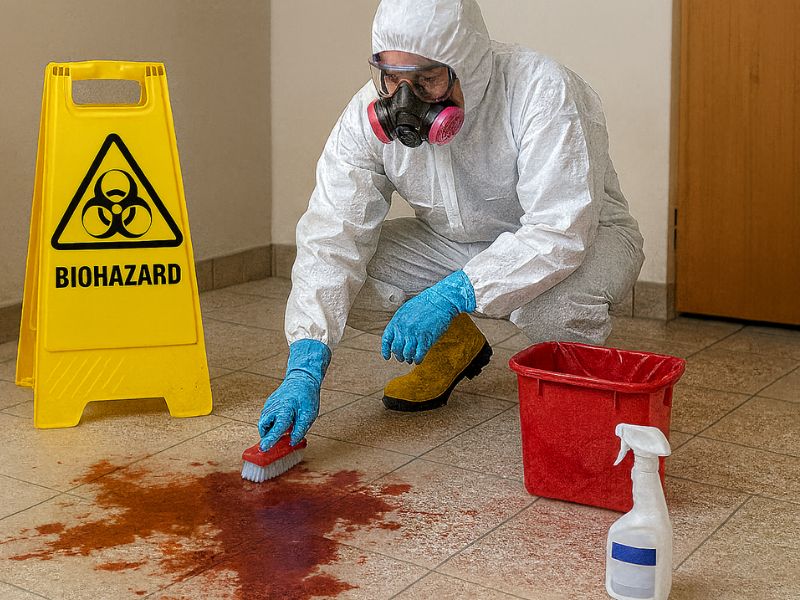
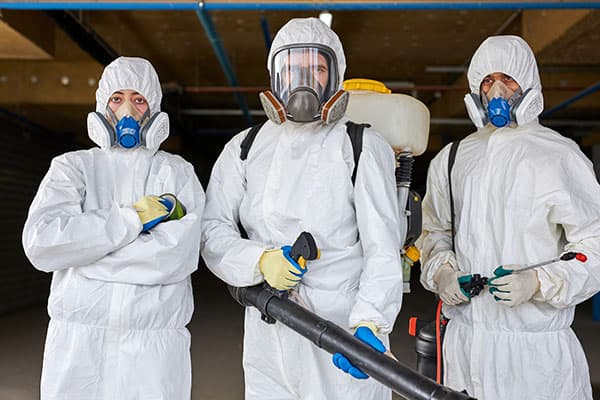
Cleanup personnel assess the hazards and select suitable gloves, protective clothing, eye protection, and other equipment as required. This helps reduce contact with potentially infectious materials.
Proper Disinfection Procedures
Different surfaces and materials require different cleaning methods. Professional cleanup involves selecting an appropriate disinfectant, following its instructions, and allowing the required contact time. Using an unsuitable product or applying it incorrectly may leave contamination behind.
Safe Waste Handling
Blood-contaminated materials and sharps must be handled and disposed of according to applicable requirements. Professional procedures help prevent injuries, accidental exposure, and improper disposal.
Attention to Hidden Contamination
A stain may extend beyond the visible area. Professional assessment helps identify affected materials and determine whether cleaning, disinfection, or removal is necessary. Household cleaning alone may not adequately address every type of contamination, particularly after a traumatic incident or when bodily fluids have penetrated porous surfaces.
Key Steps in Professional Bloodborne Pathogen Cleanup
The exact process depends on the size of the spill, the materials involved, and the circumstances. However, professional cleanup generally includes the following steps.
1. Assess the Affected Area
The first step is to identify the extent of the contamination, potential exposure hazards, and any nearby sharps. The assessment helps determine the appropriate protective equipment, cleaning method, and waste-handling procedure.
2. Secure and Prepare the Area
Access may be restricted to reduce unnecessary contact with contaminated materials. Where appropriate, cleanup personnel establish containment measures and prepare the equipment needed to complete the work safely.
3. Use Appropriate Personal Protective Equipment
Workers select protective equipment based on the exposure risks. This may include gloves, protective clothing, eye protection, and other items needed for the task. Equipment must be removed and handled correctly to avoid transferring contamination to clean surfaces.
4. Remove Contaminated Materials Safely
Visible blood and other contaminated materials are removed using appropriate procedures. Porous items that cannot be adequately cleaned may need to be discarded in accordance with applicable requirements. Sharps are handled using suitable tools and approved containers rather than picked up by hand.
5. Clean and Disinfect Affected Surfaces
Cleaning removes visible soil and organic material, while disinfection helps inactivate microorganisms on suitable surfaces. Both steps are important. The disinfectant must be appropriate for the intended use and applied according to the manufacturer’s instructions, including the required wet contact time.
6. Package and Dispose of Waste Properly
Contaminated materials are segregated, contained, labeled where required, and disposed of according to applicable federal, state, and local rules. Requirements may differ depending on the type of waste and the location. Safe disposal helps protect waste handlers and the wider community.
7. Complete a Final Assessment
Before the area is returned to use, the cleanup team checks that the required procedures have been completed and that contaminated materials have been addressed. Documentation may also be maintained when required by workplace policies or applicable regulations. Any testing or additional verification depends on the circumstances and the agreed cleanup requirements.
The Risks of Improper Blood Cleanup
Attempting to clean blood without suitable knowledge, equipment, or procedures can create problems beyond the original spill.
Potential consequences include:
- Exposure to infectious materials: Unprotected contact may create health risks.
- Cross-contamination: Cleaning tools, hands, or clothing can transfer contamination elsewhere.
- Injuries from sharps: Hidden needles or broken glass may cause puncture wounds.
- Incomplete decontamination: Visible stains may disappear while contaminated materials remain.
- Improper waste disposal: Incorrect handling may put other people at risk and violate applicable requirements.
- Emotional distress: Managing the aftermath of a traumatic event without support can make a difficult experience more overwhelming.
These risks show why proper procedures matter. Taking shortcuts may save time initially but can lead to additional safety concerns and more complicated cleanup.
Who May Need Professional Cleanup Services?
Professional bloodborne pathogen cleanup may be appropriate in a variety of situations, including:
- Homes and residential properties: Following serious accidents, injuries, or traumatic incidents involving blood.
- Workplaces and commercial buildings: When blood spills create potential occupational exposure risks.
- Vehicle accidents: When blood or bodily fluids contaminate vehicle interiors or nearby materials.
- Public spaces: When an incident leaves potentially infectious materials in an area used by others.
- Unattended deaths or traumatic events: When bodily fluids may have contaminated floors, furnishings, or other materials.
- Properties containing contaminated sharps: When needles or other potentially contaminated sharp objects are present.
The need for specialized assistance depends on the type and extent of contamination. When the situation is uncertain, keeping people away from the affected area and seeking qualified guidance can help prevent unnecessary exposure.
How to Choose a Qualified Cleanup Provider
Choosing a suitable cleanup provider is an important part of protecting health and safety. Before arranging service, consider the following points:
- Relevant training: Ask whether personnel have training appropriate to bloodborne pathogen exposure and biohazard cleanup.
- Protective equipment: Confirm that the provider uses suitable equipment and follows safe work practices.
- Cleaning and disinfection methods: Ask how contaminated surfaces and porous materials will be assessed and treated.
- Waste management: Check whether contaminated waste and sharps are handled according to applicable requirements.
- Documentation: Find out whether written records of the work can be provided when needed.
- Respect and discretion: Choose a provider that understands the sensitive nature of traumatic incidents and communicates respectfully.
A careful approach helps ensure that cleanup is handled with attention to both physical safety and the needs of people affected by the event.
Final Thought
Bloodborne pathogen cleanup is about much more than removing visible blood. It is about protecting people from avoidable exposure, preventing contamination from spreading, and restoring an environment where others can feel safe again. After an accident or traumatic event, emergency response cleaning and the right cleanup procedures can make a meaningful difference. By recognizing the risks and seeking appropriate professional help when needed, individuals and organizations can respond with greater care, confidence, and peace of mind.
FAQs
Q1. What Are Bloodborne Pathogens?
A: Bloodborne pathogens are infectious microorganisms found in human blood that can cause diseases. Common examples include hepatitis B, hepatitis C, and HIV. Exposure can occur when infected blood enters the body through broken skin, mucous membranes, or injuries caused by contaminated sharps.
Q2. Why Is Professional Bloodborne Pathogen Cleanup Important?
A: Professional bloodborne pathogen cleanup helps reduce exposure risks through proper protective equipment, thorough cleaning and disinfection, safe handling of contaminated materials, and appropriate waste disposal. Trained professionals also know how to address contamination that may not be visible on the surface.
Q3. Can I Clean Up Blood at Home Myself?
A: Small spills may be manageable when appropriate precautions and cleaning procedures are followed. However, large spills, traumatic incidents, contaminated sharps, or blood that has soaked into porous materials may require professional cleanup services. Never touch potentially contaminated needles or other sharps with bare hands.
Q4. What Protective Equipment Is Used During Blood Cleanup?
A: Cleanup professionals may use protective gloves, gowns or coveralls, eye protection, and face protection, depending on the exposure risks. Additional protective equipment may be necessary for certain hazards. All equipment should be selected and used according to applicable safety procedures.
Q5. How Are Blood-Contaminated Materials Disposed Of?
A: Blood contaminated materials must be handled and disposed of according to applicable local regulations. Potentially infectious waste should be properly contained, while contaminated needles and other sharps require suitable puncture-resistant containers. Disposal requirements may vary depending on the material and location.
Q6. Does Dried Blood Still Pose a Health Risk?
A: Yes, dried blood should not automatically be considered safe. Certain bloodborne pathogens can remain infectious outside the body for varying periods, depending on the pathogen and environmental conditions. Avoid direct contact with dried blood and use appropriate precautions when contamination is suspected.
Q7. What Should I Do After Possible Exposure to Blood?
A: Wash exposed skin immediately with soap and water. If blood enters your eyes, nose, or mouth, flush the affected area with water. Seek prompt medical evaluation because preventive treatments may be time-sensitive. If the exposure occurs at work, report it according to your workplace’s exposure response procedures.