
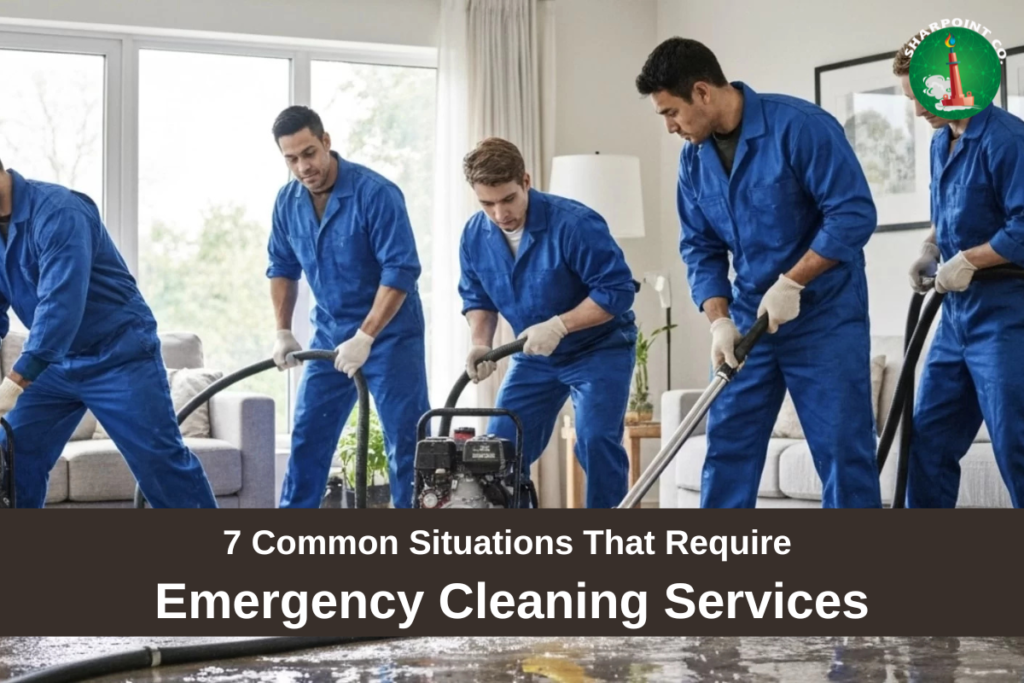
“Emergency cleaning services become essential when unexpected situations such as biohazard incidents, flooding, fire damage, sewage backups, chemical spills, or infectious outbreaks put health and safety at risk. Acting quickly helps prevent further damage, reduces contamination, and speeds up recovery. A fast, professional response restores peace of mind and creates a safe environment for everyone.”
Unexpected messes and hazardous situations can happen in any home, office, commercial building, or industrial facility. Whether caused by an accident, severe weather, or a health-related incident, these events often require more than routine cleaning. Delaying the cleanup can increase health risks, damage property, and disrupt normal operations.
Emergency cleaning services are designed to respond quickly to situations that demand specialized equipment, proper safety procedures, and thorough sanitation. Below are seven of the most common situations where professional emergency cleaning becomes essential.
1. Biohazard Incidents
Biohazard situations involve the presence of blood, bodily fluids, medical waste, or other potentially infectious materials. These incidents require careful handling because improper cleanup can expose people to harmful pathogens and contamination.
Professional emergency cleaners follow strict safety protocols, use personal protective equipment (PPE), and apply hospital-grade disinfectants to restore the affected area safely. Proper disposal of hazardous waste is also an essential part of the cleanup process.
2. Water Damage and Flooding
Burst pipes, roof leaks, appliance failures, and severe storms can leave large amounts of standing water inside a property. If moisture is not removed quickly, mold growth, structural deterioration, and unpleasant odors can develop within days.
Emergency cleaning teams use industrial drying equipment, moisture detection tools, and sanitization methods to prevent further damage and restore a safe environment.
3. Fire and Smoke Damage
After a fire is extinguished, smoke residue, soot, and lingering odors often remain throughout the property. Even small fires can spread smoke particles into ventilation systems, walls, furniture, and flooring.
Professional emergency cleaning removes soot deposits, deodorizes affected areas, and helps prevent permanent damage caused by acidic smoke residue. Fast action improves the chances of restoring valuable belongings.
4. Sewage Backup and Waste Overflow
A sewage backup is one of the most hazardous cleaning emergencies. Contaminated water contains harmful bacteria, viruses, and other microorganisms that can threaten human health.
Emergency cleaning specialists safely remove contaminated materials, disinfect affected surfaces, eliminate odors, and restore sanitary conditions while following strict health and safety guidelines.
5. Infectious Disease Outbreaks
When multiple people become ill in a workplace, school, healthcare facility, or public building, immediate deep cleaning may be necessary to reduce the spread of germs.
Professional cleaning focuses on disinfecting high-touch surfaces, shared equipment, restrooms, break rooms, and common areas using EPA-approved disinfectants and proven sanitation procedures.
6. Chemical Spills
Chemical spills can occur in manufacturing plants, laboratories, warehouses, and industrial facilities. Some substances release harmful fumes or create dangerous reactions if handled improperly.
Emergency cleaning professionals identify the hazard, contain the spill, use appropriate neutralizing methods, and safely dispose of contaminated materials according to environmental regulations.
7. Crime Scenes and Trauma Incidents
Traumatic events can leave behind biohazard materials that require specialized cleaning and compassionate handling. These situations demand discretion, professionalism, and strict adherence to health regulations.
Emergency cleaning specialists thoroughly disinfect affected areas, remove hazardous materials, eliminate odors, and restore the property while respecting the privacy of everyone involved.
Why Immediate Emergency Cleaning Matters
Responding quickly after an emergency helps minimize property damage, reduce health risks, and speed up recovery. Professional emergency cleaning ensures that hazardous materials are handled safely, contaminated areas are properly disinfected, and buildings can return to normal use as soon as possible.
Whether the emergency involves flooding, fire damage, hazardous spills, or biohazards, prompt action protects both people and property while reducing long-term repair costs.
Final Thoughts
Emergencies rarely happen without warning, but the right response can make all the difference. Situations such as water damage, biohazards, chemical spills, sewage backups, infectious disease outbreaks, fire damage, and trauma incidents require specialized cleaning that goes beyond everyday maintenance. Professional emergency cleaning helps restore safety, protect occupants, and prevent further damage, allowing homes and businesses to recover with confidence.
Frequently Asked Questions
Q1. What qualifies as an emergency cleaning situation?
Emergency cleaning is needed whenever hazardous materials, contamination, or unexpected damage creates immediate health or safety risks, such as flooding, sewage backups, biohazards, or chemical spills.
Q2. How quickly should emergency cleaning begin?
Cleanup should begin as soon as the area is safe to access. Fast response helps reduce contamination, prevent further property damage, and minimize health risks.
Q3. Is emergency cleaning different from regular cleaning?
Yes. Emergency cleaning involves specialized equipment, protective gear, advanced disinfectants, and trained personnel to safely handle hazardous situations that routine cleaning cannot address.
Q4. Can emergency cleaning help prevent mold after flooding?
Yes. Rapid water extraction, drying, and moisture control significantly reduce the risk of mold growth and structural damage after water-related incidents.
Q5. Are emergency cleaning services available for commercial properties?
Yes. Offices, warehouses, healthcare facilities, retail stores, schools, manufacturing plants, and industrial buildings commonly require emergency cleaning following unexpected incidents.
Q6. Why is professional emergency cleaning important?
Professional cleaning ensures hazardous materials are safely removed, affected areas are properly disinfected, health regulations are followed, and the property is restored safely for occupants.