
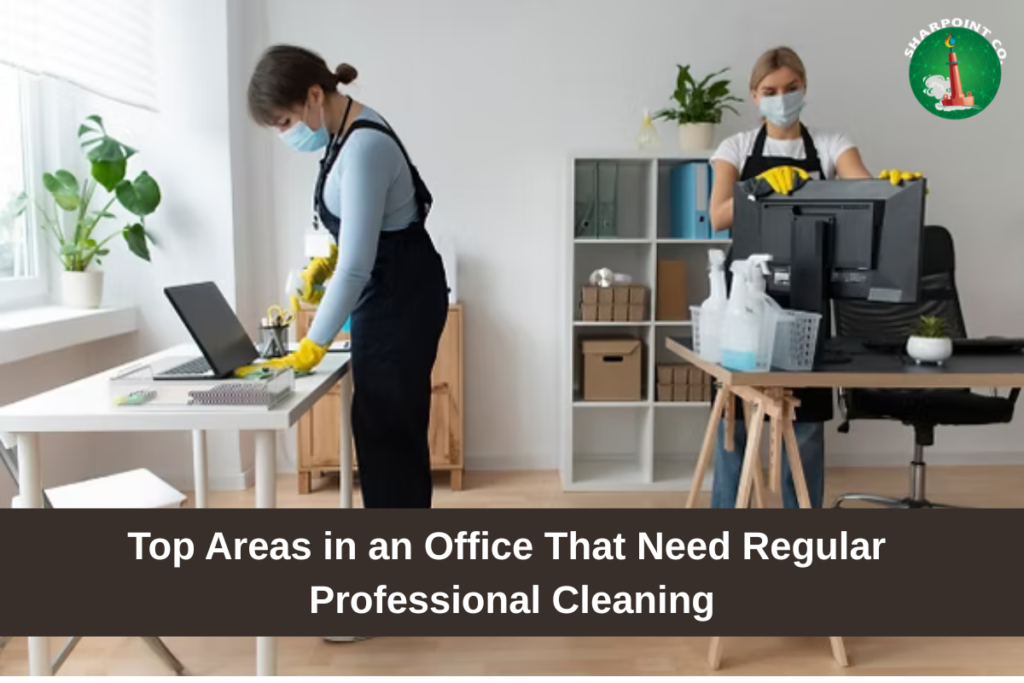
“Regular professional cleaning focuses on the areas that accumulate the most dirt, germs, and daily wear, including entryways, restrooms, break rooms, workstations, carpets, and high-touch surfaces. Keeping these spaces clean helps improve workplace hygiene, employee well-being, and overall productivity. A consistent cleaning schedule also creates a healthier, safer, and more welcoming office environment.”
A clean office does more than create a good first impression; it directly affects employee health, morale, and productivity. While daily tidying handles the basics, certain areas of an office require the tools, products, and consistency that only professional cleaning can provide. Left unaddressed, these spaces can become hotspots for dust, allergens, and bacteria that impact everyone who walks through the door. Below, we outline the top areas in an office that deserve regular, professional attention, along with why each one matters for a healthier, more productive workplace.
1. Entryways and Reception Areas
The entryway is the first space employees, clients, and visitors encounter, and it takes the brunt of daily foot traffic. Dirt, moisture, and debris are tracked in constantly, which can dull flooring and create slip hazards over time. Professional cleaning keeps entry mats, glass doors, and reception furniture looking sharp while reducing the amount of outside grime that spreads further into the building. A well-maintained entryway sets the tone for the rest of the office and reflects directly on the organization’s overall image.
2. Carpets and Flooring
Carpets and hard flooring trap dust, allergens, and bacteria far below the surface, where everyday vacuuming and mopping can’t reach. Over time, this buildup contributes to poor indoor air quality and can trigger allergies or respiratory irritation among employees. Deep cleaning methods used by professionals lift embedded debris and extend the life of flooring materials, protecting the investment while keeping the workplace healthier. Routine attention to floors also helps maintain a polished, professional appearance throughout high-traffic zones.
3. Restrooms
Restrooms are among the highest-risk areas for bacteria and virus transmission in any office. Surfaces like faucet handles, stall doors, and countertops require frequent, thorough sanitation to keep germs from spreading between employees. Professional cleaners use commercial-grade disinfectants and follow consistent protocols that go beyond a quick wipe-down, helping to reduce odors, maintain supply stock, and support a genuinely hygienic environment for everyone who uses the space.
4. Break Rooms and Kitchens
Shared kitchens and break areas see constant use and are prone to spills, crumbs, and forgotten leftovers. Without regular deep cleaning, these spaces can quickly become breeding grounds for bacteria, particularly inside microwaves, refrigerators, and around sinks. Professional cleaning addresses areas that are easy to overlook during a quick daily wipe, helping prevent unpleasant odors and reducing the risk of foodborne illness among employees who share the space.
5. Workstations and Shared Equipment
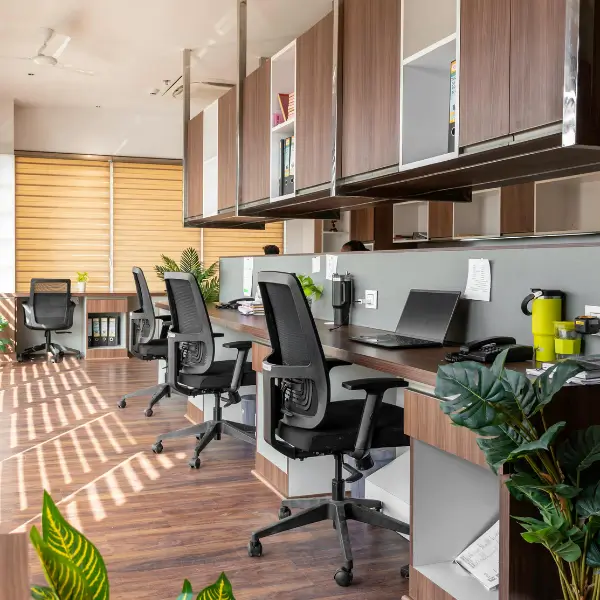
Desks, keyboards, phones, and shared office equipment are handled constantly throughout the day, making them prime spots for germs to accumulate. Clutter and dust buildup can also affect focus and air quality at an individual level. Professional cleaning ensures that workstations are disinfected properly, not just dusted, which supports both employee health and a tidier, more organized working environment.
6. Conference and Meeting Rooms
Meeting rooms are used by multiple people throughout the day, often in proximity for extended periods. Shared surfaces like tables, chairs, and shared devices such as remotes or video equipment need regular disinfection to limit the spread of germs. A clean, well-maintained meeting space also contributes to a stronger impression during client meetings, interviews, and internal presentations.
7. Windows and Glass Surfaces
Windows, glass partitions, and interior glass doors accumulate dust, smudges, and fingerprints faster than most people realize. Beyond appearance, dirty windows can block natural light, making a workspace feel dimmer and less inviting. Professional cleaning restores clarity to glass surfaces, improving both the office’s aesthetics and the amount of natural light that reaches employees throughout the day.
8. High-Touch Points Throughout the Office
Door handles, light switches, elevator buttons, and shared printers are touched by nearly everyone in the building, often without a second thought. These high-touch points are among the most effective places to interrupt the spread of germs when cleaned consistently. Because they’re spread throughout the office rather than confined to one room, they’re also among the easiest areas to miss without a structured, professional cleaning routine.
Final Thoughts
A truly clean office goes well beyond what’s visible at a glance. Entryways, restrooms, break rooms, workstations, and high-touch surfaces all play a role in employee health, comfort, and productivity. While daily upkeep handles the basics, professional cleaning ensures these key areas receive the consistent, thorough attention they need. Prioritizing these spaces helps create a healthier, more welcoming workplace for employees and visitors alike.
Frequently Asked Questions
Q1. How often should an office be professionally cleaned?
A: Most offices benefit from professional cleaning at least once or twice a week, with high-traffic areas like restrooms and break rooms serviced more frequently. The right frequency depends on foot traffic, industry, and the number of employees on site.
Q2. What is the difference between routine cleaning and deep cleaning?
A: Routine cleaning covers daily tasks like emptying trash, wiping surfaces, and vacuuming. Deep cleaning goes further, addressing carpets, upholstery, vents, and hard-to-reach areas that accumulate buildup over time and require specialized equipment or products.
Q3. Can professional cleaning reduce employee sick days?
A: Yes. Regular disinfection of high-touch surfaces, restrooms, and shared equipment reduces the spread of germs, which is one of the most common contributors to workplace illness and absenteeism.
Q4. Do small offices need professional cleaning as much as large ones?
A: Even small offices accumulate dust, bacteria, and clutter that affect air quality and appearance. While the scope of service may be smaller, the same core areas restrooms, break rooms, and shared surfaces still need consistent attention.
Q5. Are professional cleaning products safe for a shared workspace?
A: Reputable cleaning providers use products designed for commercial environments, including options formulated to be effective against germs while remaining safe for employees, including those with sensitivities, when used as directed.
Q6. What should be included in an office cleaning checklist?
A: A thorough checklist typically covers entryways, floors and carpets, restrooms, kitchens and break areas, workstations, conference rooms, windows, and high-touch points such as door handles and light switches.